




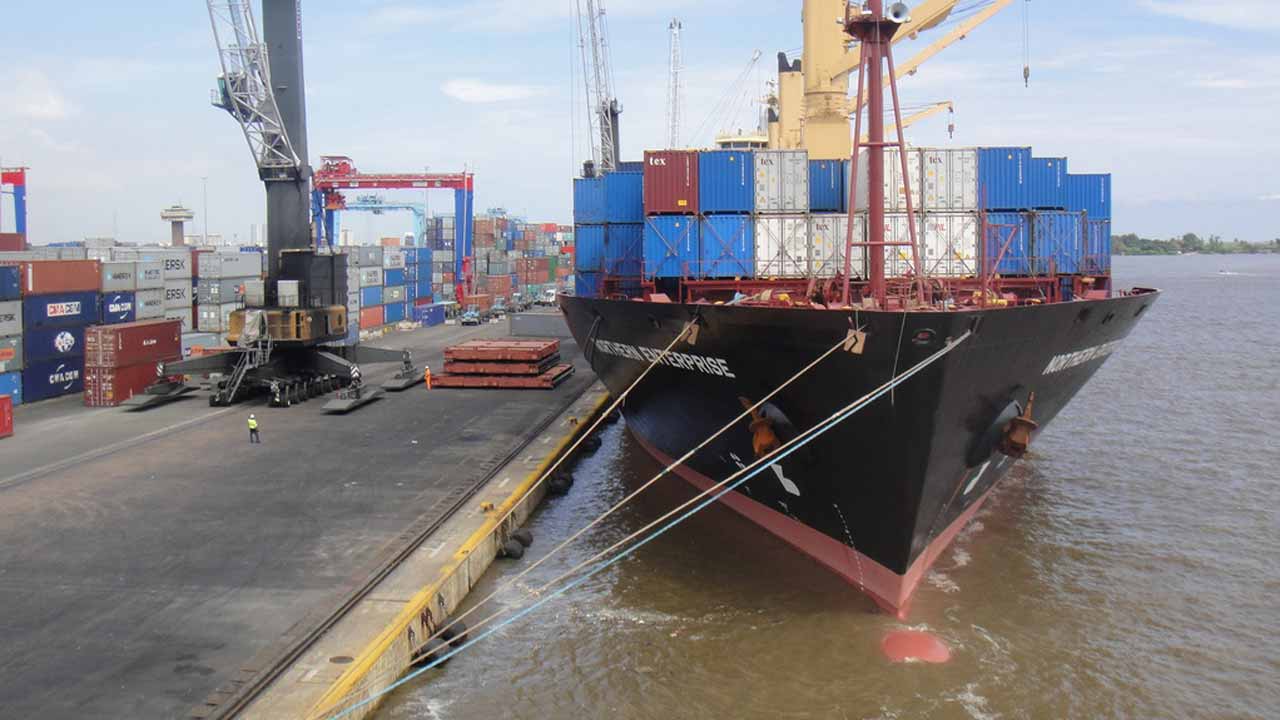


































Nigerian Ports Authority (NPA) and the West Africa Container Terminal (WACT)-APM Terminals Nigeria have signed a Memorandum of Understanding (MoU) to advance decarbonisation efforts within Nigeria’s port and transportation ecosystem through freight electrification.

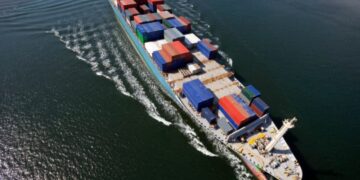
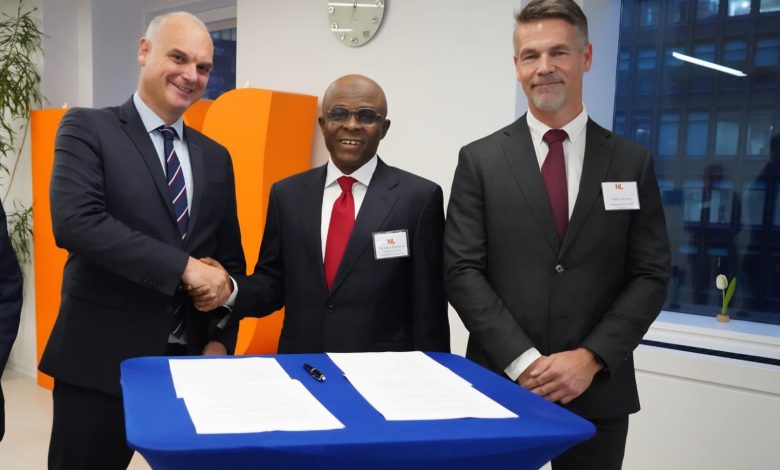
This agreement was signed on Tuesday in New York as both organisations committed to establishing the framework to pursue a roadmap to electrify containerised freight in accordance with the policies of the Federal Ministry of Marine and Blue Economy in the country, focusing on freight electrification.
“We believe that Nigeria is ideally situated to lead West Africa’s transition to low-carbon logistics by electrifying its container transport sector.
“Nigeria is Africa’s largest economy and trade hub, and our research shows us that the country can leapfrog fossil-fuel infrastructure by adopting proven electric technologies. Therefore, we are very optimistic about our joint plans to start shaping the phased roadmap of an electrified future for container logistics,” the CEO of APM Terminals Nigeria, Mr. Frederik Klinke, said at the signing ceremony.
The event took place at the Dutch Consulate in New York during the week of the Global African Business Initiative.
Also speaking on the MOU-signing, the Managing Director of the NPA, Dr. Abubakar Dantsoho said that: “By this development, the Onne Port will be the first green port in Nigeria and thereby promoting the decarbonisation efforts within the transportation ecosystem. This will also make Nigerian ports the leader on the continent in terms of sustainable port operations.”
While congratulating the APM Terminals for the collaboration, which will be wholly funded by APM Terminals to the tune of $60 million, the NPA Managing Director said he is hopeful that this would be the model for African countries to copy.
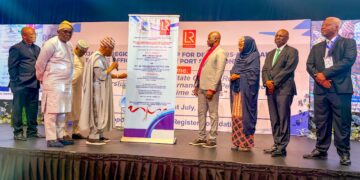
The MOU further builds on a study presented by APM Terminals to the Vice President of Nigeria at the Decarbonising Infrastructure in Nigeria Summit in Abuja in July this year, highlighting the importance of freight electrification.
It is believed that the transition from fossil fuels to electrified container freight has the potential to unlock private investments, create skilled jobs and ensure a more reliable energy supply.
However, to make the changes needed, coordination of the sectors and collaboration between public and private partners is essential.