






























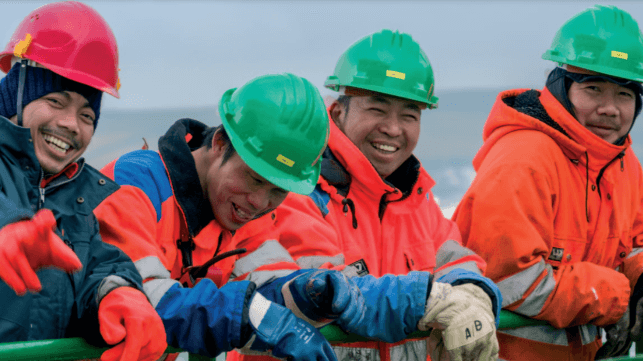


The Nigerian Navy recently took dozens of civilians on a symbolic sea voyage that offered a rare, first-hand glimpse into naval life and operations on Nigeria’s waters, as part of activities marking its 70th anniversary.

The participants—comprising journalists, students, community leaders and maritime stakeholders—described the experience as eye-opening and unforgettable.
The voyage was one of the key highlights of the anniversary celebrations, and was designed not merely as a ceremonial outing, but as a strategic public engagement initiative. It aimed to bridge the gap between the military and civilian population while showcasing the Navy’s operational capacity, professionalism and enduring role in safeguarding Nigeria’s maritime domain after seven decades of service.
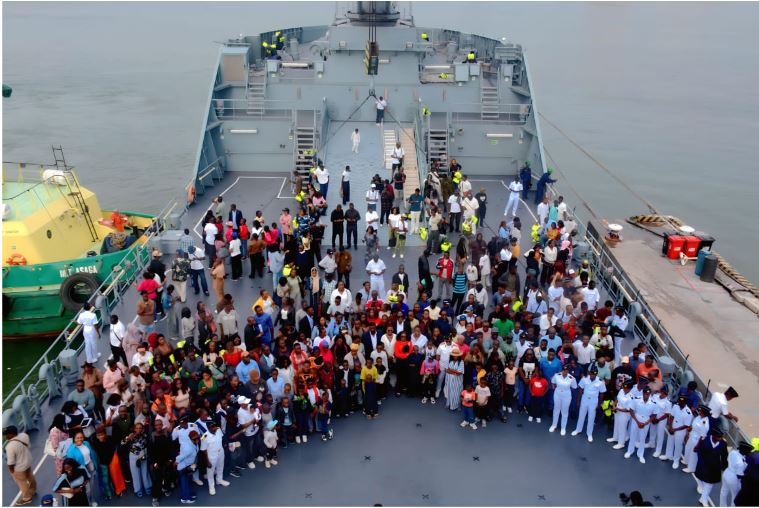
For many aboard, it was their first time stepping onto a naval vessel. The atmosphere at the Nigerian Navy base in Apapa, Lagos, reflected a blend of excitement and anxiety as participants arrived early for safety briefings conducted by naval officers. The sight of heavily armed warships, disciplined personnel and advanced maritime equipment immediately set a tone of awe and curiosity.
The primary vessel for the voyage was the Nigerian Navy Ship (NNS) Kada, a newly acquired Landing Ship Tank (LST) designed for the strategic movement of troops and military equipment during operations. Described by some participants as a “floating star hotel,” the vessel accommodated nearly 1,000 people. Two additional patrol boats, identified by the call signs DB Lagos and DB Abuja, conveyed other participants, bringing the total number of civilian guests to about 1,500.
As the convoy gradually moved away from the bustling Lagos shoreline, participants were exposed to the scale and precision of naval operations often hidden from public view. The journey provided practical insight into navigation procedures, maritime surveillance systems, onboard communication networks and routine drills conducted by officers and ratings of the Nigerian Navy.
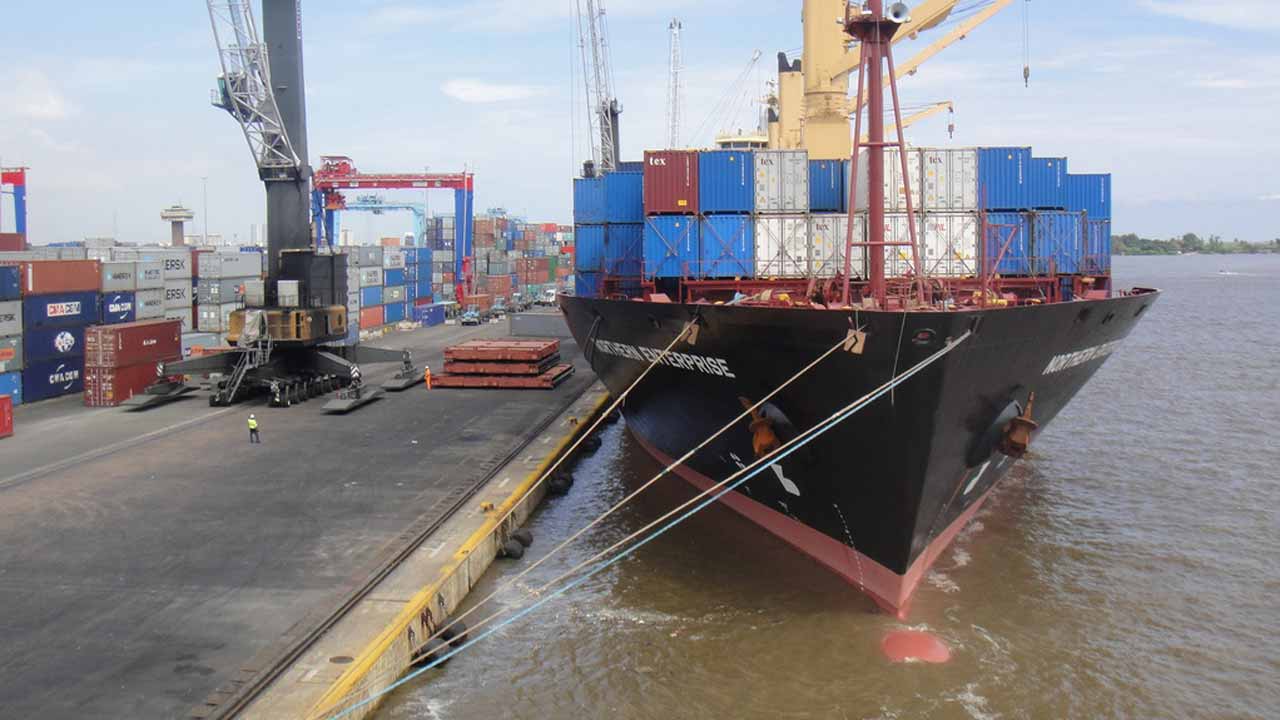
The exercise underscored the Navy’s commitment to strengthening civil-military relations while educating Nigerians on the strategic importance of maritime security. With over 850 kilometres of coastline and vast offshore resources, Nigeria depends heavily on secure waterways for economic stability, crude oil exports and international trade.
Throughout the voyage, naval personnel provided detailed explanations of their operational responsibilities, including the protection of territorial waters from piracy, crude oil theft, smuggling, illegal fishing and maritime terrorism. Participants were also briefed on ongoing operations in the Gulf of Guinea, where coordinated naval efforts have contributed to improved maritime safety and increased investor confidence in Nigeria’s blue economy.
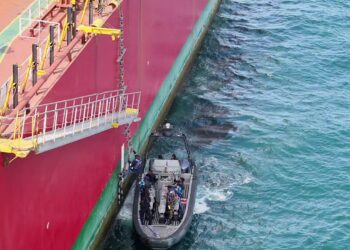
A key highlight of the excursion was a live demonstration of maritime security procedures, which drew significant attention from participants. For journalists on board, the voyage provided a rare opportunity to move beyond official briefings and observe the realities of naval operations in real time.
Many participants noted that the experience reshaped their perception of the Navy, particularly regarding the challenges faced by personnel operating under harsh weather conditions and persistent security threats. Naval officers used the occasion to highlight the sacrifices of those deployed across coastal and offshore environments, many of whom spend extended periods away from their families while protecting national assets.
The sea trip also illustrated the evolution of the Nigerian Navy since its establishment in 1956. From a modest coastal defence force inherited from colonial authorities, it has grown into one of Africa’s leading maritime institutions, equipped with modern ships, air assets and specialised units focused on maritime security, disaster response and regional peacekeeping operations.
Participants were further briefed on the Navy’s role in joint operations against crude oil theft and pipeline vandalism in the Niger Delta, as well as collaborative efforts with neighbouring countries to combat transnational maritime crime in the Gulf of Guinea. According to naval authorities, intensified patrols and improved coordination have contributed to a notable reduction in piracy incidents in recent years.
Beyond combat operations, the voyage also highlighted the Navy’s humanitarian and non-military responsibilities, including search and rescue missions, environmental protection and disaster response. Civilians were informed about past rescue operations during flooding and maritime accidents, reinforcing the institution’s role in safeguarding lives beyond warfare.
For student participants, the experience became an educational journey. Many expressed admiration for the discipline and technical competence of naval personnel, while others indicated interest in pursuing careers within the armed forces or maritime sector. Officers encouraged the youths to embrace patriotism and contribute meaningfully to national development.
As the vessel sailed across the Commodore’s Pool, participants were treated to sweeping views of Lagos coastline, offshore installations and commercial shipping activities that underpin Nigeria’s economy. The vast maritime landscape reinforced discussions on the importance of securing the nation’s waters from criminal exploitation.
The interaction between civilians and naval personnel also created rare moments of openness and camaraderie. Sailors responded to questions about life at sea, training routines, combat readiness and the psychological demands of naval service. These exchanges helped humanise the institution and foster deeper public understanding.
Symbolically, the sea trip reflected the Nigerian Navy’s 70th anniversary theme of openness, confidence and public engagement. By welcoming civilians aboard operational platforms, the Navy demonstrated its commitment to transparency and national unity.
Security experts have consistently emphasised that effective maritime security depends on collaboration between security agencies, coastal communities, fishermen, shipping operators and the general public. The anniversary voyage reinforced this perspective by encouraging civilian awareness and participation in safeguarding Nigeria’s maritime environment.
As the vessel returned to Apapa after several hours at sea, participants disembarked with renewed appreciation for the Navy and its mission. Conversations among guests reflected admiration for the professionalism witnessed on board and recognition of the complexity of maritime defence operations.
For the Nigerian Navy, the civilian sea trip was more than a commemorative event—it was a demonstration of institutional confidence and a reminder that national security is a shared responsibility. It transformed abstract ideas of maritime defence into lived experience for ordinary Nigerians.
At 70, the Nigerian Navy continues to navigate evolving threats, technological demands and operational challenges. Yet the anniversary voyage highlighted that beyond ships and weapons, its greatest strength lies in public trust, national support and meaningful engagement with the citizens it protects.
As celebrations continue, the memory of civilians sailing alongside naval officers stands out as one of the most symbolic moments of the anniversary—an experience that connected Nigerians not only to the sea, but also to the men and women dedicated to defending it.