


















The Commissioner of Police, Ogun State Command, CP Bode Ojajuni, has begun a high-level familiarisation tour of key security formations, reaffirming a robust, intelligence-driven inter-agency collaboration to tackle evolving security threats.

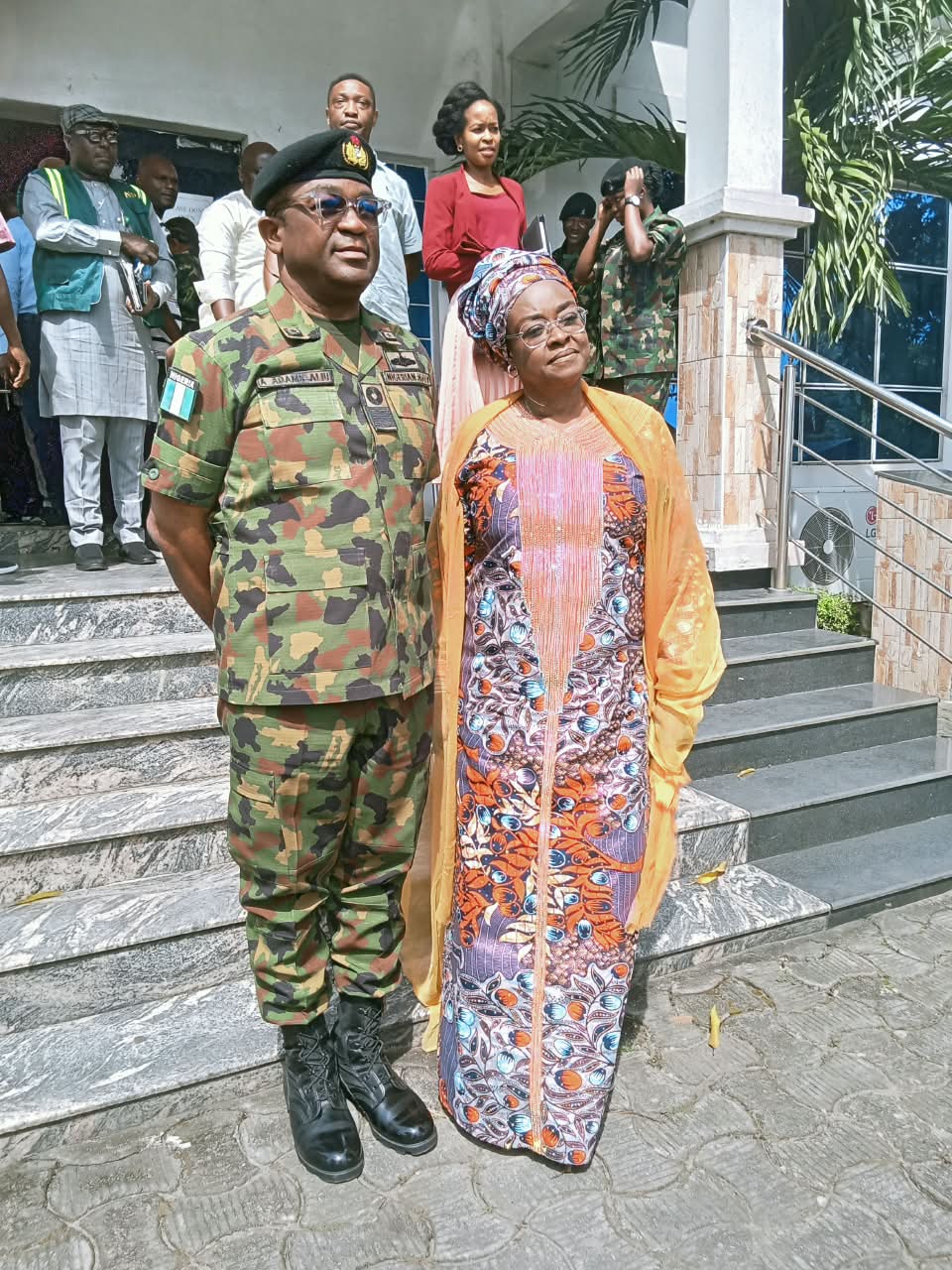
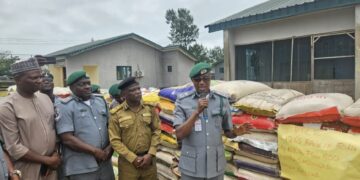
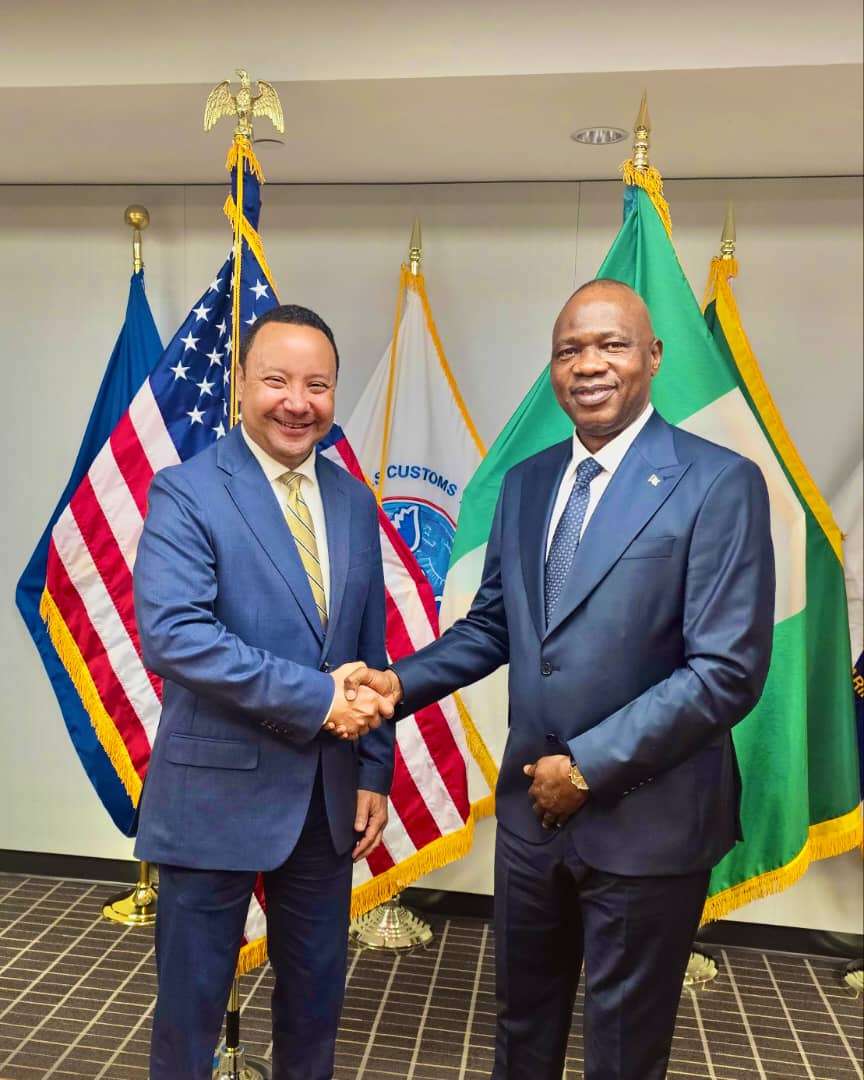
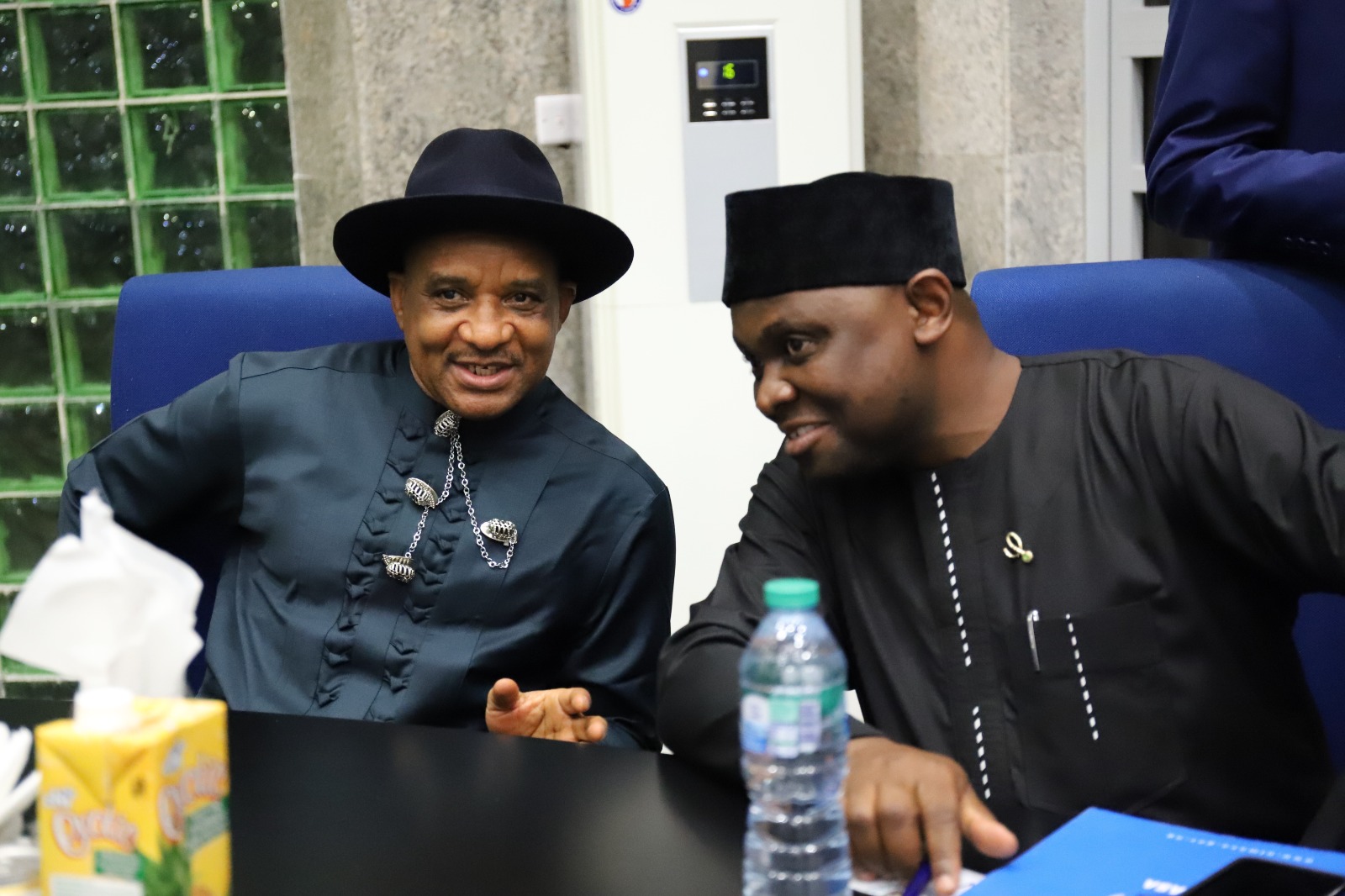
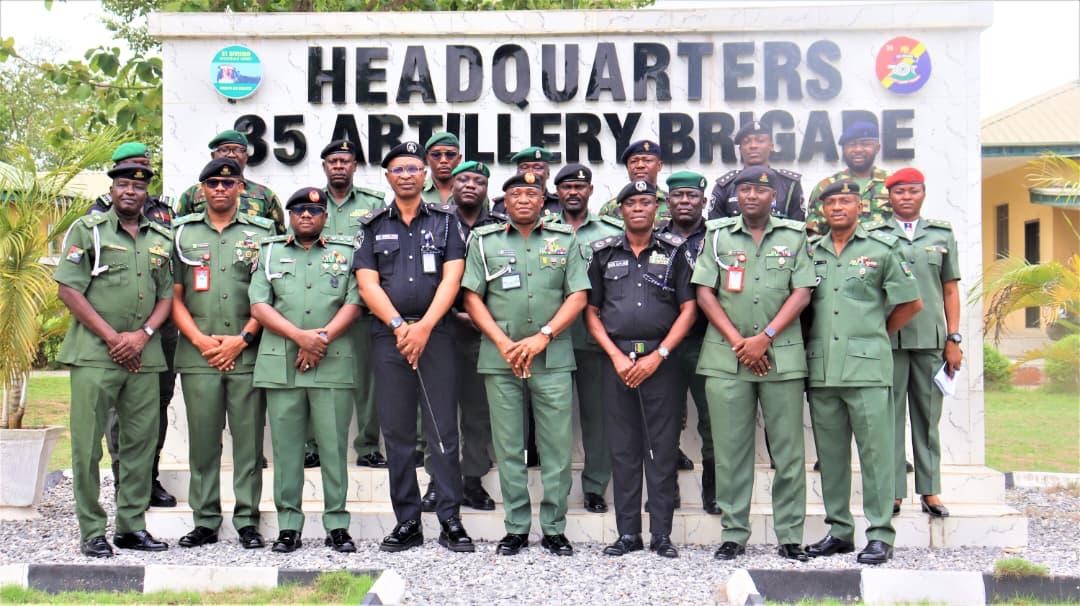
The strategic visits, carried out on Tuesday, 21 April 2026, took the police chief to the 35 Artillery Brigade of the Nigerian Army, the Department of State Services (DSS), the Nigeria Immigration Service (NIS), and the Nigeria Security and Civil Defence Corps (NSCDC), to deepen operational synergy across the state.
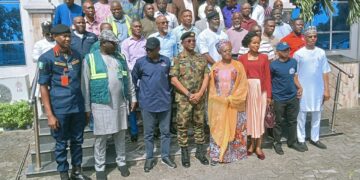
At the 35 Artillery Brigade, Alamala Barracks, Abeokuta, Ojajuni was received by Brigadier General Godwin U. Nwamba. Both leaders reviewed existing joint operational frameworks, with a focus on enhancing rapid response mechanisms, intelligence-led deployments, and coordinated patrols in identified flashpoints. The discussions underscored the urgency of sustained communication, joint situational assessments, and readiness to counter violent crimes and communal unrest.
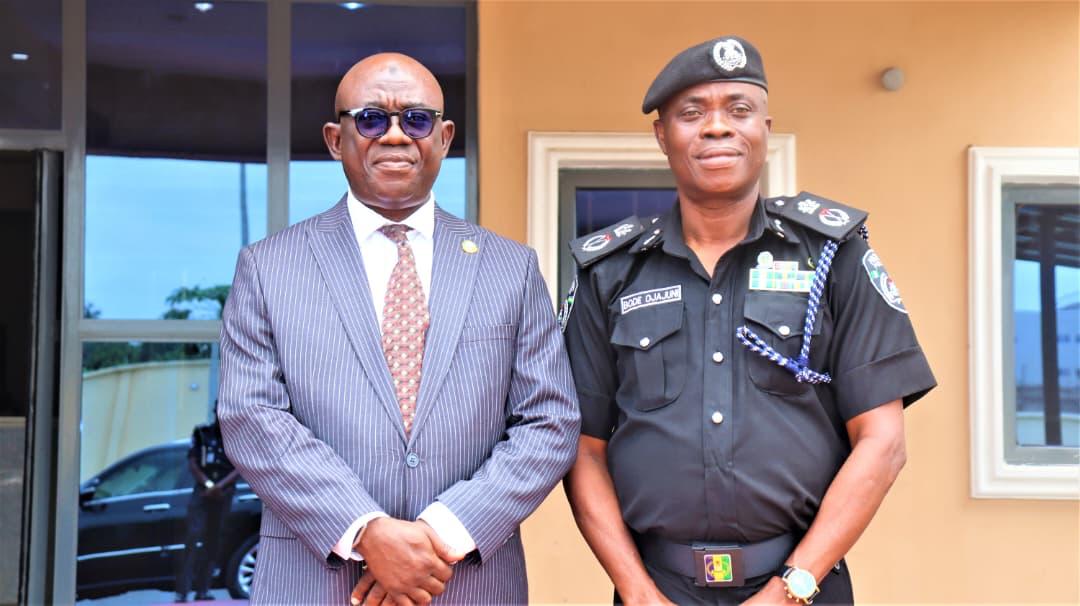
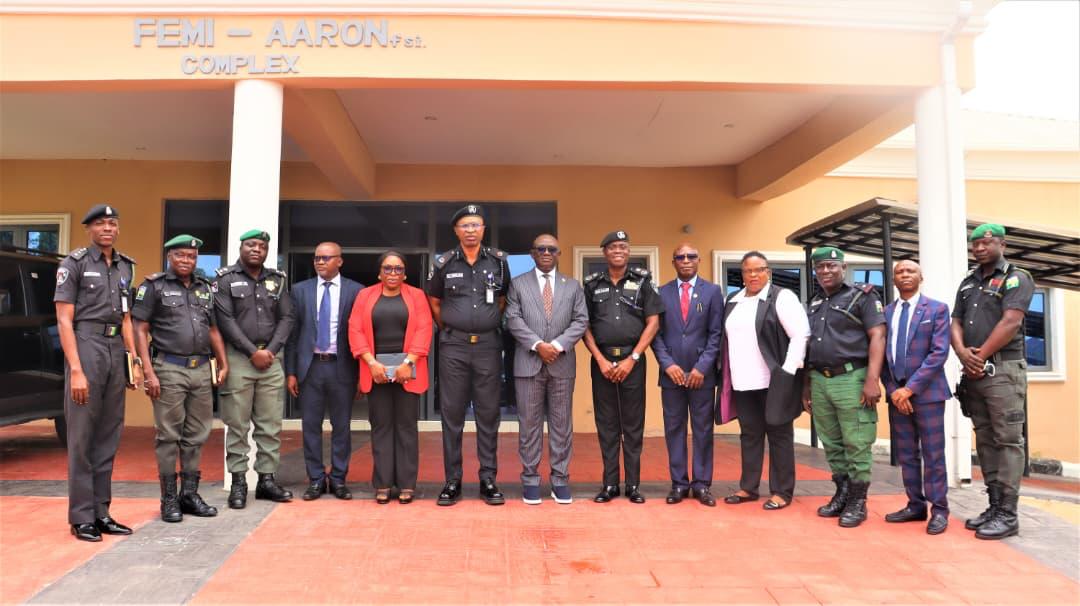
At the DSS headquarters in Ogun State, the State Director, R.A. Adelakun, engaged the police boss in high-level talks centred on strengthening intelligence architecture. The meeting emphasised proactive surveillance, timely dissemination of actionable intelligence, and preventive strategies aimed at neutralising threats before escalation. Both agencies reiterated the critical nexus between intelligence and enforcement in combating organised crime.
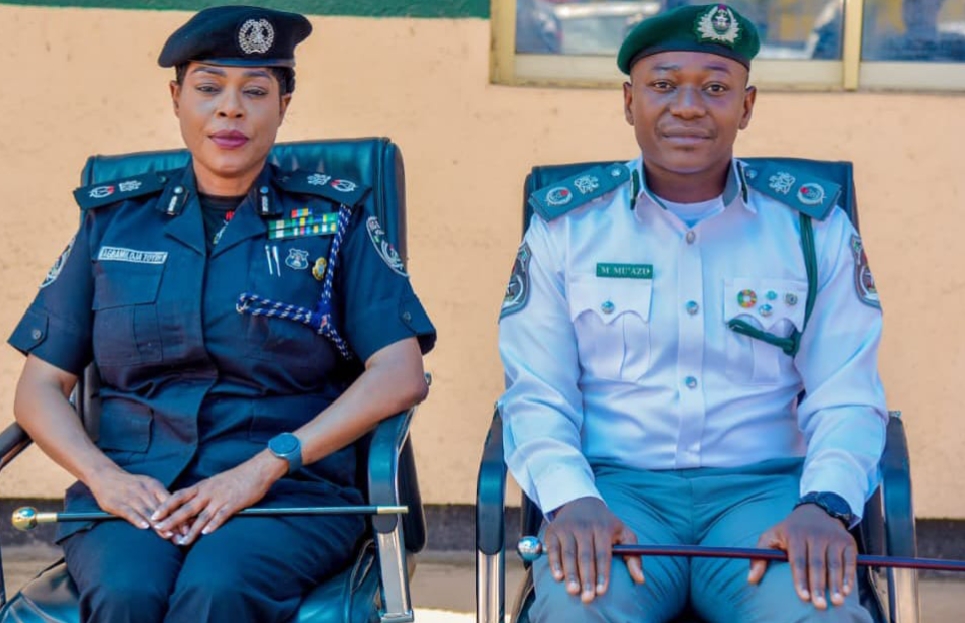
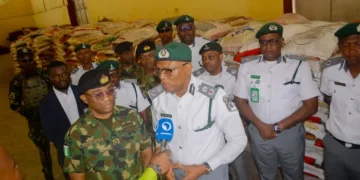
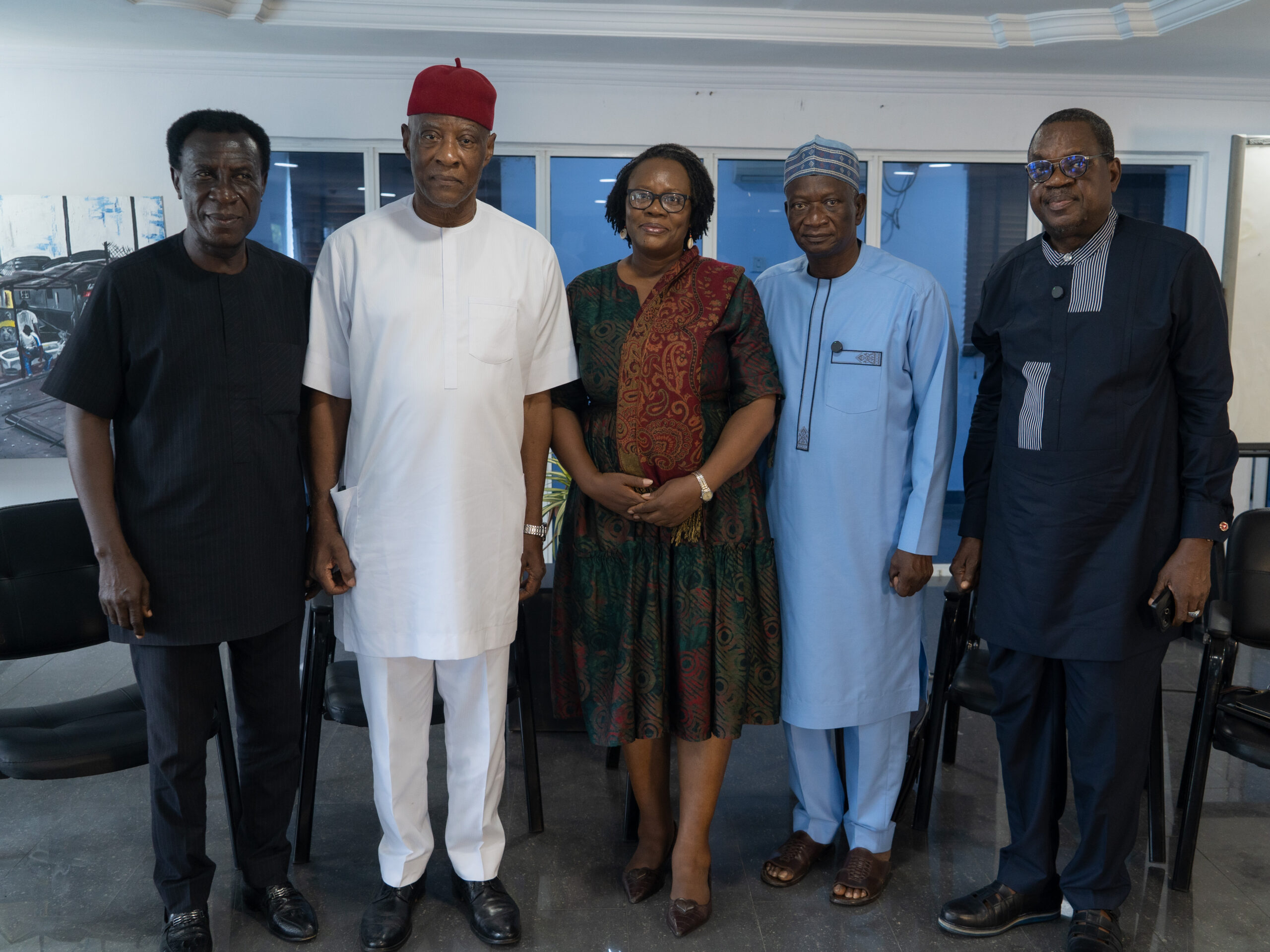
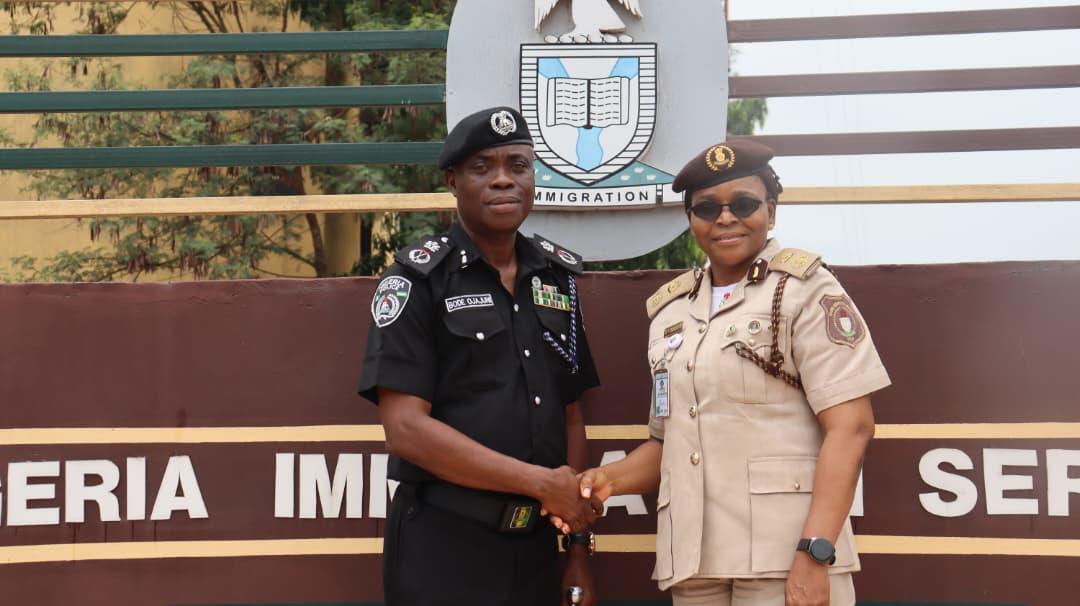
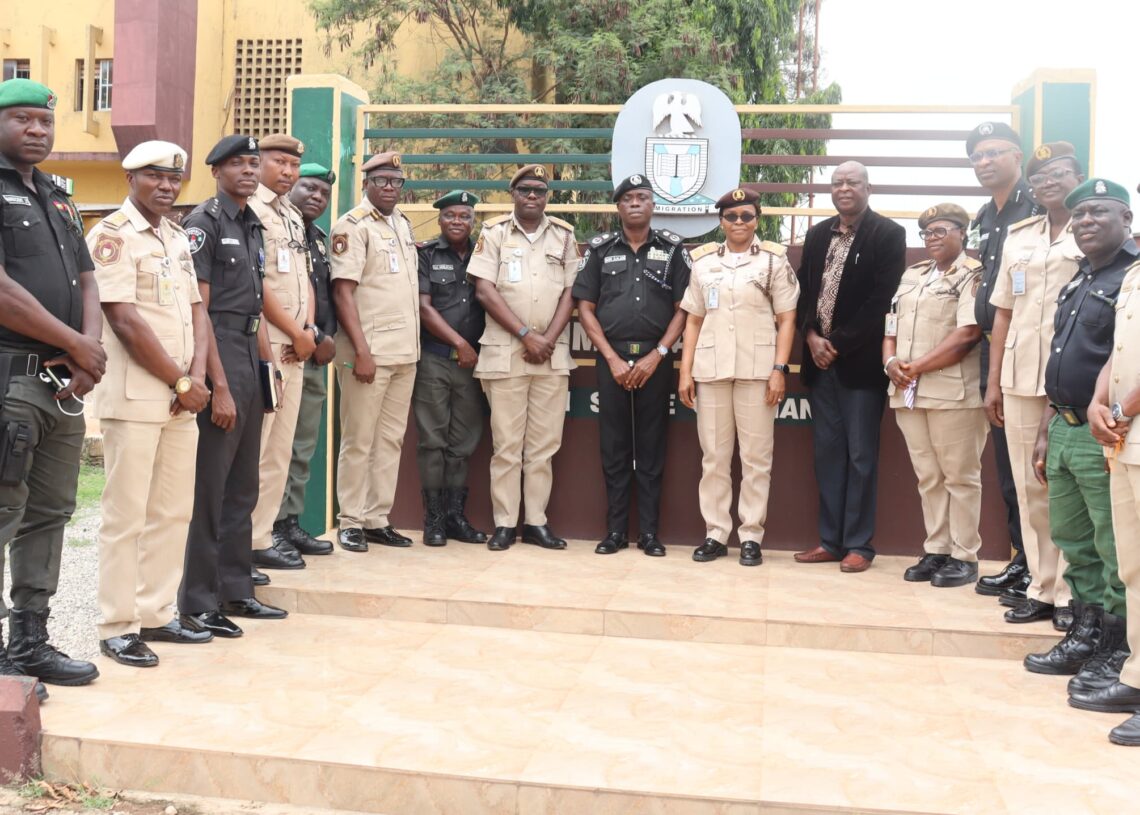
The visit to the Nigeria Immigration Service saw CP Ojajuni in talks with Comptroller Olufunke Yetunde Odusote, where border security and migration control dominated discussions. The agencies agreed on tightening mechanisms to combat illegal migration, human trafficking, and cross-border crimes, while enhancing joint surveillance and intelligence-sharing frameworks to prevent infiltration by criminal elements.
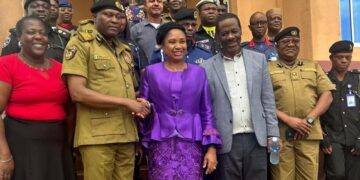
At the NSCDC Ogun State Command, Commandant Remilekun Omolade Ekundayo hosted the police chief as both institutions aligned strategies for the protection of critical national infrastructure. Deliberations focused on joint enforcement against vandalism, sabotage, and other threats to public assets, alongside improved coordination in crisis response and emergency management.
Across all engagements, a common thread emerged, the imperative of a unified operational posture anchored on trust, intelligence sharing, and coordinated action.
CP Ojajuni expressed appreciation to the leadership of the various agencies for their sustained cooperation, describing inter-agency synergy as the backbone of effective policing. He noted that the visits were designed not only to consolidate existing partnerships but also to build stronger operational bridges capable of delivering swift, coordinated responses to security challenges.
The police commissioner, whose tenure has been marked by proactive and intelligence-led policing, reaffirmed the command’s commitment to safeguarding lives and property through enhanced collaboration and strategic alignment with sister agencies.