































The Chairman of SIFAX Group, Dr. Taiwo Afolabi, has called for a stronger integration of economic investment into the global architecture for conflict prevention, arguing that infrastructure, employment, trade and economic opportunity can help address some of the structural conditions that make societies vulnerable to instability.

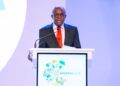
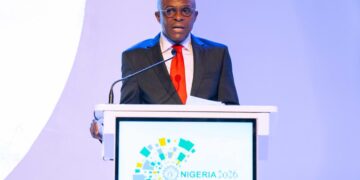
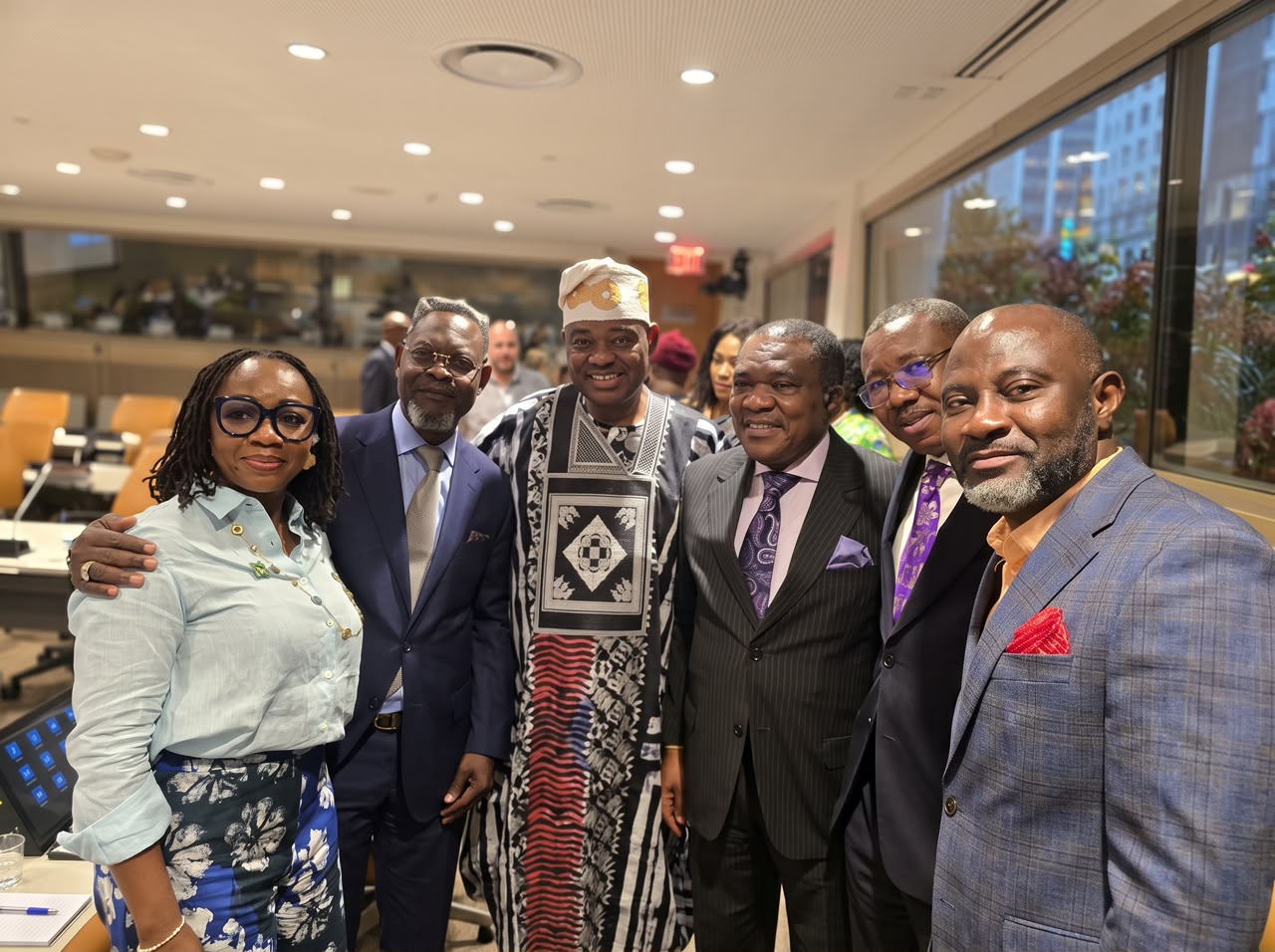
Speaking in New York, United States, at the United Nations General Assembly High-Level Global Executive Roundtable on Diplomacy, Multilateralism and Conflict Resolution, Afolabi said the international community must move beyond responding to conflicts after they erupt and place greater emphasis on preventive diplomacy, sustainable development and economic inclusion.
According to him, peace and prosperity are mutually reinforcing.
“Peace creates the environment for investment, investment creates opportunity, and opportunity strengthens the foundations of peace,” he said.
Afolabi noted that the world is currently confronted by a combination of geopolitical tensions, economic uncertainty, climate pressures, inequality and declining trust in institutions. He argued that these challenges require a coordinated response built around diplomacy, multilateralism, conflict resolution and sustainable economic development.
He said the relationship between peace and development is particularly important for Africa, where infrastructure deficits, financing constraints, trade barriers and limited economic opportunities continue to affect the continent’s development prospects.
“Africa’s peace building agenda must be accompanied by an investment agenda. We need investment in transport infrastructure, ports, energy, technology, manufacturing, agriculture, healthcare, education and human capital,” he said.
He also called for stronger regional value chains and improved connectivity across African economies, stressing that the successful implementation of the African Continental Free Trade Area (AfCFTA) requires more than trade agreements.
He said: “Trade and connectivity can create shared interests among nations. The success of AfCFTA depends not only on trade agreements but on infrastructure, efficient logistics, digital systems, financing and political cooperation.”
Afolabi highlighted the role of the private sector in creating economic connections that can strengthen cooperation between communities, businesses and countries.
Drawing on SIFAX Group’s experience across maritime, logistics, aviation, financial services, oil and gas and hospitality, he said infrastructure and connectivity should be viewed not merely as commercial activities but as important components of economic development.
“A functioning logistics system can connect farmers to markets, manufacturers to consumers, businesses to international value chains and countries to one another,” he said.
He added that these economic connections can generate shared interests and incentives for cooperation, making infrastructure an important component of a broader peace building strategy.