


















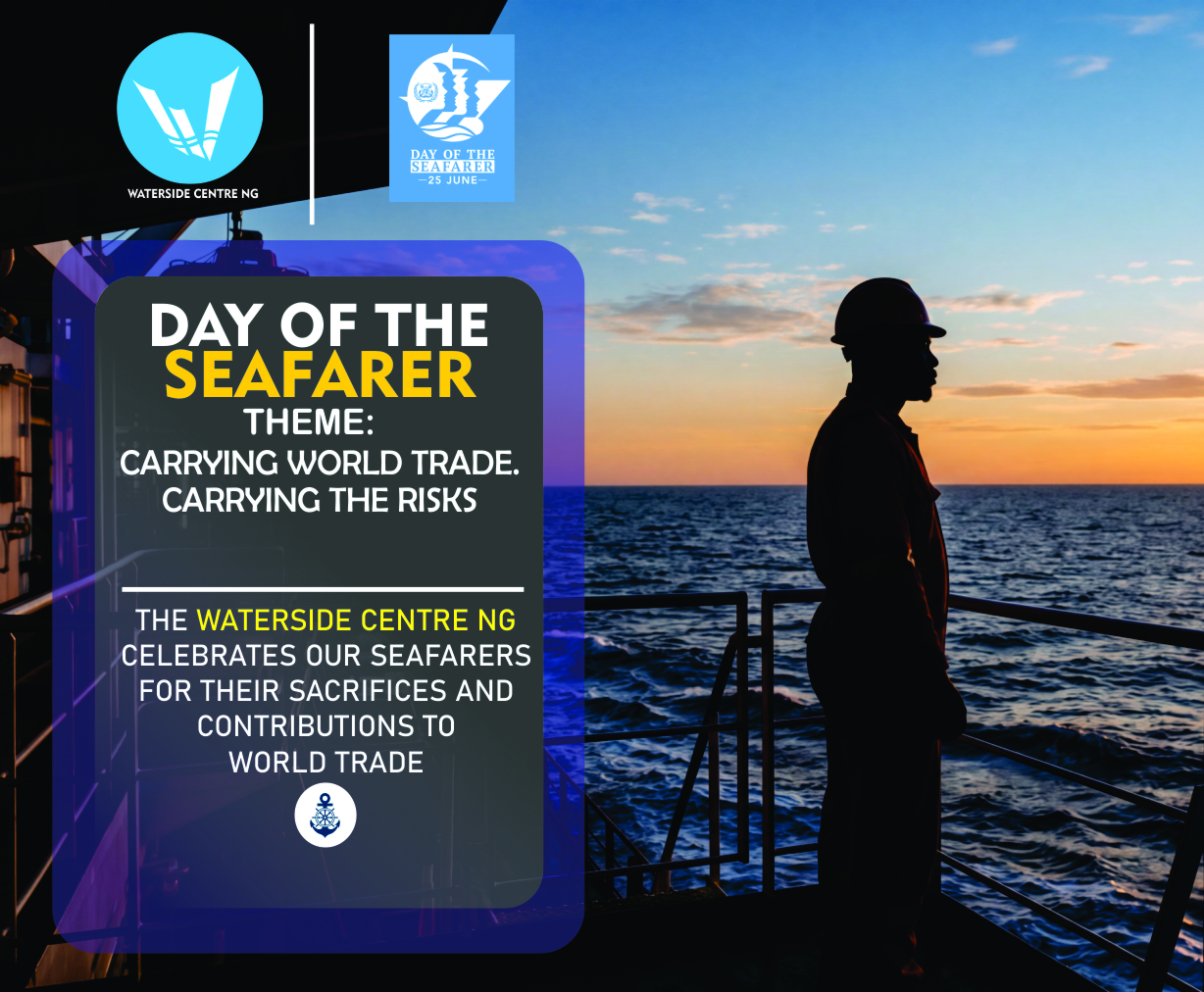
By Capt. Fẹ́mi Ámúsà
Every morning, billions of people awaken to shelves stocked with food, hospitals supplied with medicines, industries powered by fuel, factories fed with raw materials, and homes filled with countless imported necessities. Few pause to ask a simple question: “How did these things get here?”

The answer is almost always the same. A seafarer delivered them.
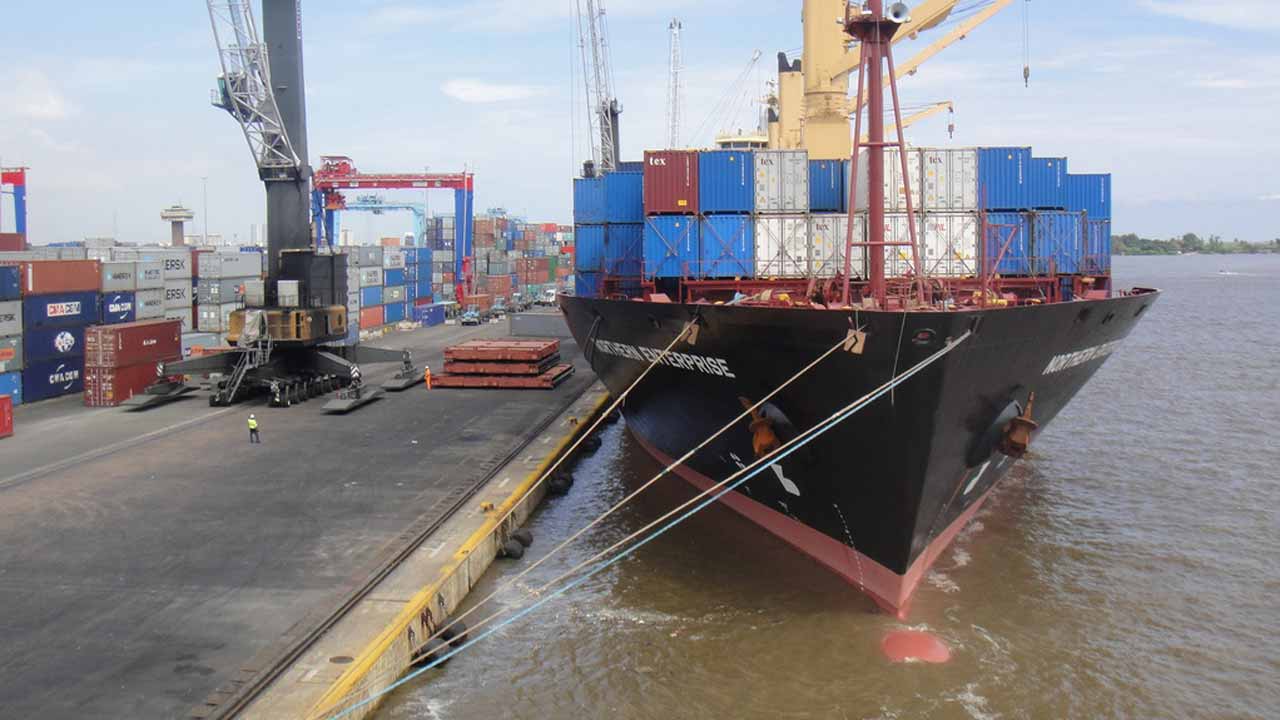
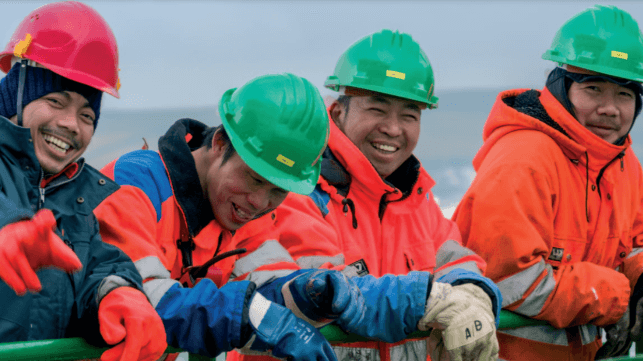
Nearly ninety per cent of world trade moves by sea. Without ships, global commerce would grind to a halt within days. Without seafarers, ships become nothing more than expensive floating steel. They are the indispensable human engine of globalization, yet among the least recognised professionals in modern society.
The paradox is striking. Society celebrates those who fly above the clouds, while largely forgetting those who labour beneath the horizon. Pilots become household names. Seafarers remain anonymous. Yet a pilot’s duty may last a few hours; a seafarer’s separation from family often extends to six, eight or even ten months across hostile oceans and uncertain weather.
Life at sea demands more than technical competence. It requires emotional resilience, mental fortitude, discipline, vigilance and sound judgement. The mariner confronts storms, piracy, machinery failures, loneliness, fatigue and the immense responsibility of navigating vessels worth hundreds of millions of dollars while carrying cargo upon which national economies depend.
The maritime profession has evolved far beyond the romantic imagery of old. Today’s bridge is an integration of satellite navigation, electronic chart systems, dynamic positioning, artificial intelligence-assisted decision support, cyber security protocols and increasingly sophisticated environmental compliance regimes. The modern Master / Captain is no longer merely a navigator but a manager of technology, safety, commerce, law and human factors.
Ironically, as technology advances, the human element becomes even more critical. Computers may calculate courses, but they cannot replace experience, intuition and professional judgement developed through years at sea. History repeatedly reminds us that accidents seldom arise from technology alone but from failures in leadership, communication and decision-making.
Nigeria understands, perhaps more than most nations, the strategic importance of seafarers. As the maritime gateway to West and Central Africa, our economic prosperity depends upon competent indigenous maritime professionals. Yet our seafarers continue to confront inadequate sea-time opportunities, limited cadetship placements, ageing training infrastructure and inconsistent implementation of maritime manpower development policies.
This contradiction deserves urgent national attention. A nation aspiring to become a blue economy powerhouse cannot neglect those who constitute the backbone of that economy. Ships may be financed. Ports may be modernised. Digital platforms may be deployed. None can substitute for well-trained, motivated and internationally competitive Nigerian seafarers.
The Nigerian Association of Master Mariners has consistently advocated professionalism, continuous education and uncompromising safety standards. Such advocacy must continue with renewed vigour. Investment in maritime education should not be viewed as expenditure but as strategic national infrastructure. Every competent Nigerian officer who earns international certification enhances not only his personal career but also the country’s maritime reputation.
The world celebrates innovations in shipping, green fuels and autonomous vessels. Yet even the most advanced ship will still depend upon competent human oversight for the foreseeable future. The seafarer remains, and will remain, the conscience of safe navigation.
As we honour seafarers, let our appreciation transcend ceremonial speeches and commemorative photographs. Genuine recognition lies in creating decent working conditions, ensuring fair employment, expanding training opportunities, protecting mental health, enforcing international labour standards and restoring the dignity the profession deserves.
The ocean has never rewarded mediocrity. It respects only competence, preparation and humility. Those who daily venture upon its vastness deserve not merely our gratitude but our unwavering commitment to their welfare and professional advancement.
For while the world sleeps peacefully ashore, somewhere beyond the horizon a seafarer is still on watch – keeping global civilisation moving, one voyage at a time.
Capt. Fẹ́mi Ámúsà is a master mariner. He wrote from Lagos.