



























By Capt. Fẹ́mi Ámúsà

There is an old saying among seafarers that:
> When the sea is calm, no one remembers the sailor.
It is only when storms rage, supply chains collapse, or war disrupts trade that the world suddenly rediscovers the merchant mariner.
A policy commentary published by gCaptain reminds us of this inconvenient truth:
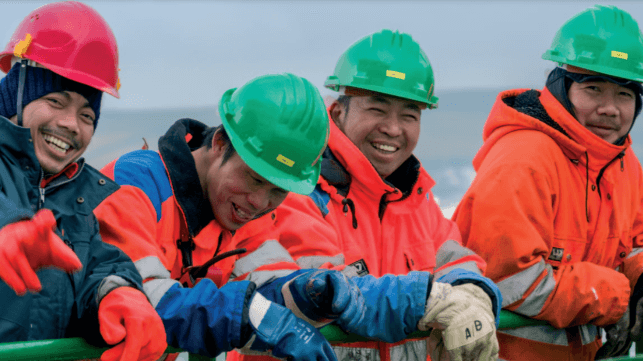
> Nations celebrate their admirals, decorate their generals, and glorify their fighter pilots, yet the men and women who quietly keep economies alive remain largely anonymous.
The merchant fleet has never merely been about commerce. It is an instrument of national influence.
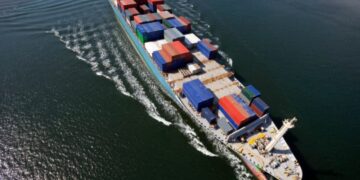
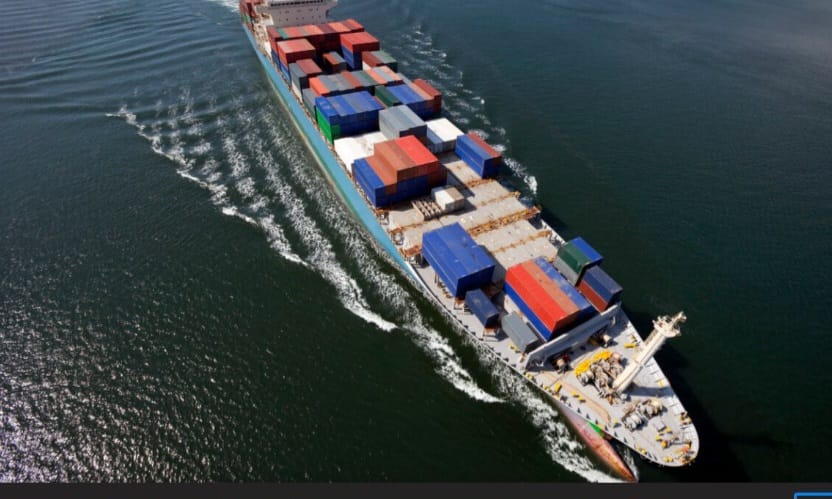
History repeatedly demonstrates that every great maritime power first became a great merchant shipping nation. Britain’s Royal Navy stood upon the shoulders of its merchant fleet. America’s military reach across the globe depends heavily on civilian merchant mariners who transport fuel, ammunition, equipment, and humanitarian cargo. During every major conflict, from the World Wars to recent military deployments, merchant ships have been the indispensable logistical backbone.
The lesson is equally relevant for Nigeria.
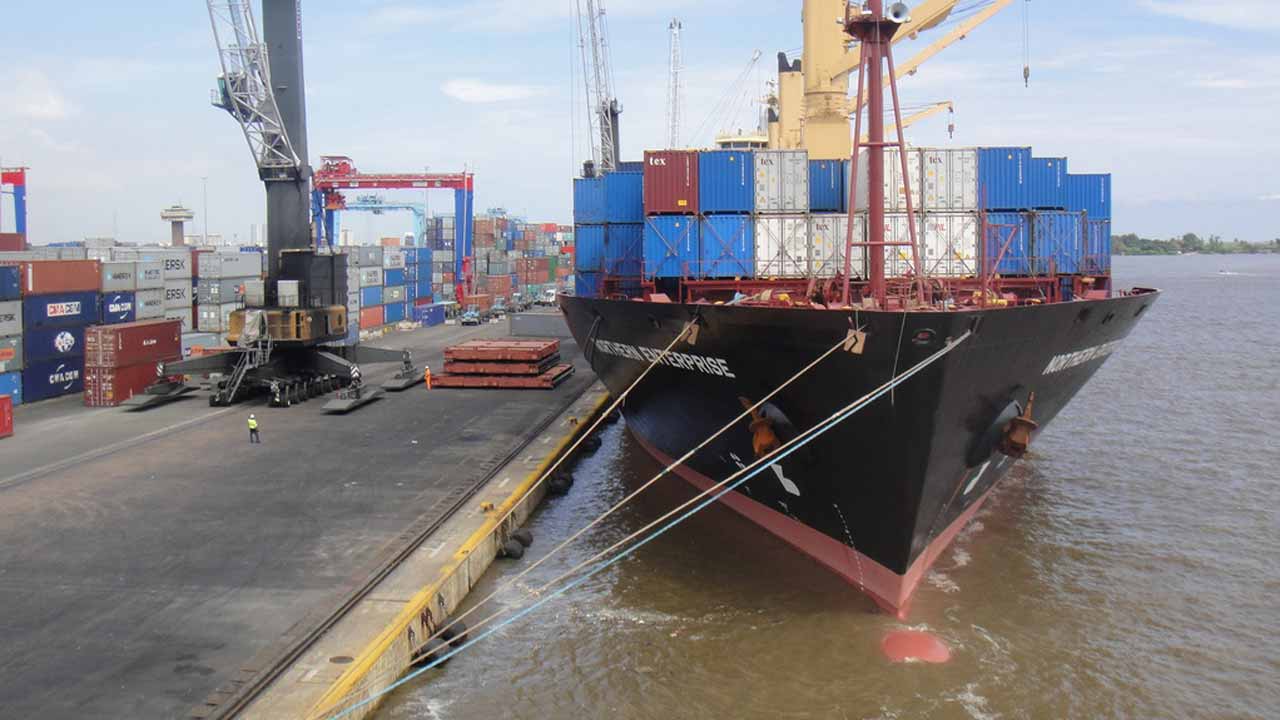
Our national conversation often centres on ports, customs revenue, blue economy initiatives, and cabotage enforcement. These are important, but they are only the visible branches. The real root is the merchant mariner.
Without competent masters, engineers, officers, ratings, pilots, surveyors, and maritime professionals, ships become expensive steel monuments. Ports become glorified warehouses. Maritime ambitions become colourful policy documents gathering dust on government shelves.
A nation’s maritime strength cannot be imported.
It must be cultivated.
This is why investment in maritime education, sea time opportunities, indigenous shipping capacity, and continuous professional development should never be viewed as expenditure. They are strategic investments in national resilience.
Nigeria’s Master Mariners understand this reality perhaps better than anyone else. Every voyage is an exercise in discipline, professionalism, and calculated risk management. Every safe arrival represents countless decisions made long before a vessel reaches harbour.
The public rarely applauds a ship that arrives safely because success at sea is measured by the absence of disaster.
That quiet professionalism deserves greater recognition.
The current global geopolitical climate also reinforces another lesson. Supply chains are increasingly vulnerable to wars, sanctions, piracy, cyber attacks, and climate disruptions. Nations that possess capable merchant fleets and well trained mariners enjoy greater strategic flexibility than those dependent entirely upon foreign shipping. Recent tensions affecting shipping lanes in the Black Sea, the Red Sea, and the Strait of Hormuz have once again demonstrated how quickly maritime disruptions ripple through the global economy.
For Nigeria, whose economy depends overwhelmingly on seaborne trade, this reality should sharpen our resolve.
The Blue Economy cannot be built on blue rhetoric.
It requires deliberate investment in ships, shipbuilding, dry docks, maritime finance, indigenous operators, and above all, people.
The Nigerian Association of Master Mariners has consistently championed these ideals. Its voice remains essential in advocating professional standards, mentoring younger mariners, and reminding policymakers that maritime development begins not with infrastructure alone but with competent human capital.
Ships may carry cargo.
Mariners carry nations.
When governments truly understand this distinction, maritime policy will cease to be an annual budget item and become a permanent pillar of national strategy.
For in every prosperous maritime nation, the strength of the flag is measured not merely by the number of ships flying it, but by the quality of the professionals entrusted to navigate them.