




















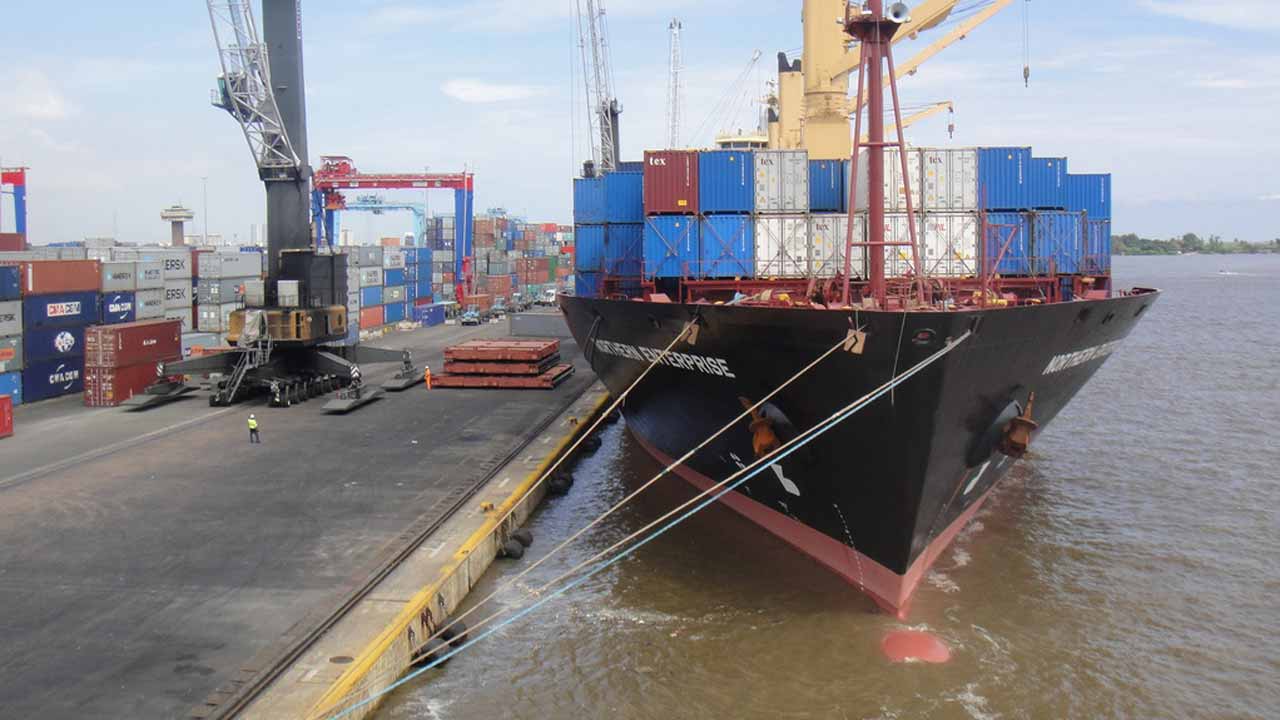




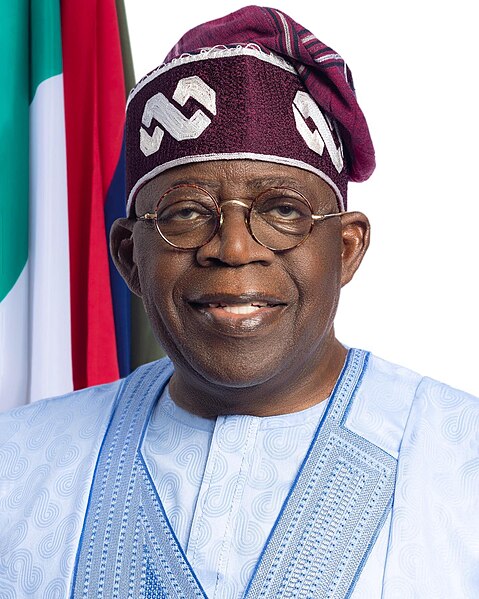




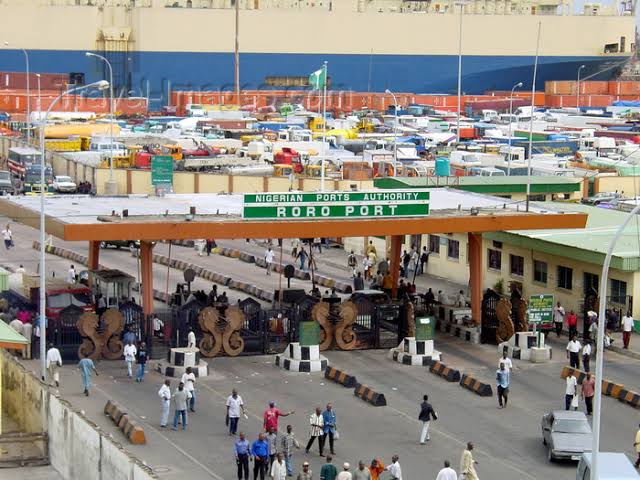
The Nigerian Ports Authority (NPA) has assured stakeholders of seamless operations and zero disruption to port activities as the rehabilitation of Apapa and Tin Can Island ports in Lagos is set to commence in the second quarter (Q2) of 2026.

The general manager, Corporate Communications and Strategy of the NPA, Ikechukwu Onyemekara, gave the assurance on Wednesday during an interaction with journalists in Lagos.
He explained that the federal government’s port rehabilitation programme would be executed in phases to ensure that cargo handling and other terminal operations continue uninterrupted throughout the duration of the project.
The federal government had earlier announced that the rehabilitation of the Lagos port complexes would begin in Q2 2026 and is expected to be completed within 48 months.
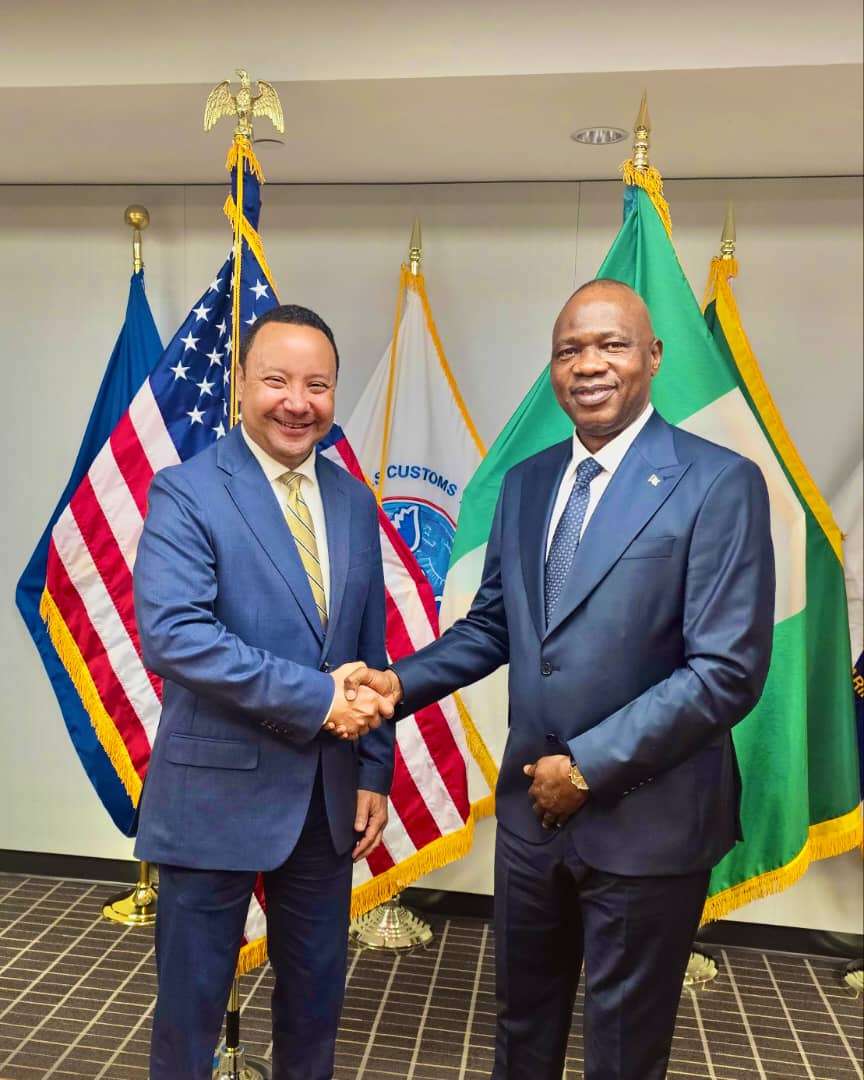
In March, Nigeria and the United Kingdom sealed a £746 million export finance agreement to support the redevelopment of the two major ports. Under the deal, UK Export Finance (UKEF) will guarantee loans for the project, while British Steel is expected to supply 120,000 tonnes of steel valued at £70 million.
The agreement is also projected to generate about £236 million in supplier contracts for British firms, with at least 20 per cent of the project components to be sourced from the UK.
Onyemekara described the rehabilitation as a bold and strategic step by the Federal Government to modernise Nigeria’s port infrastructure and enhance its competitiveness in global maritime trade.
“Rehabilitating our ports is a bold step by the federal government. We need to appreciate the government and support the effort,” he said.
“If Nigeria is to lead in maritime trade, it is critical that our ports are modernised and capable of receiving larger, modern vessels,” he added.
He noted that some ports in West and Central Africa already attract larger vessels due to improved infrastructure, stressing that Nigeria must upgrade its facilities to retain its dominance, especially given its large market size.
Providing further insight into the execution plan, Onyemekara said reconstruction would be carried out in segments, with specific berths temporarily closed, rehabilitated, and reopened before work moves to the next section.
He emphasised that this phased approach would guarantee continuous cargo discharge, sustain port efficiency, and ensure steady revenue generation for the government.
The NPA spokesperson also called on port users and stakeholders to support the initiative to ensure its successful implementation and long-term benefits for the nation’s economy.