



































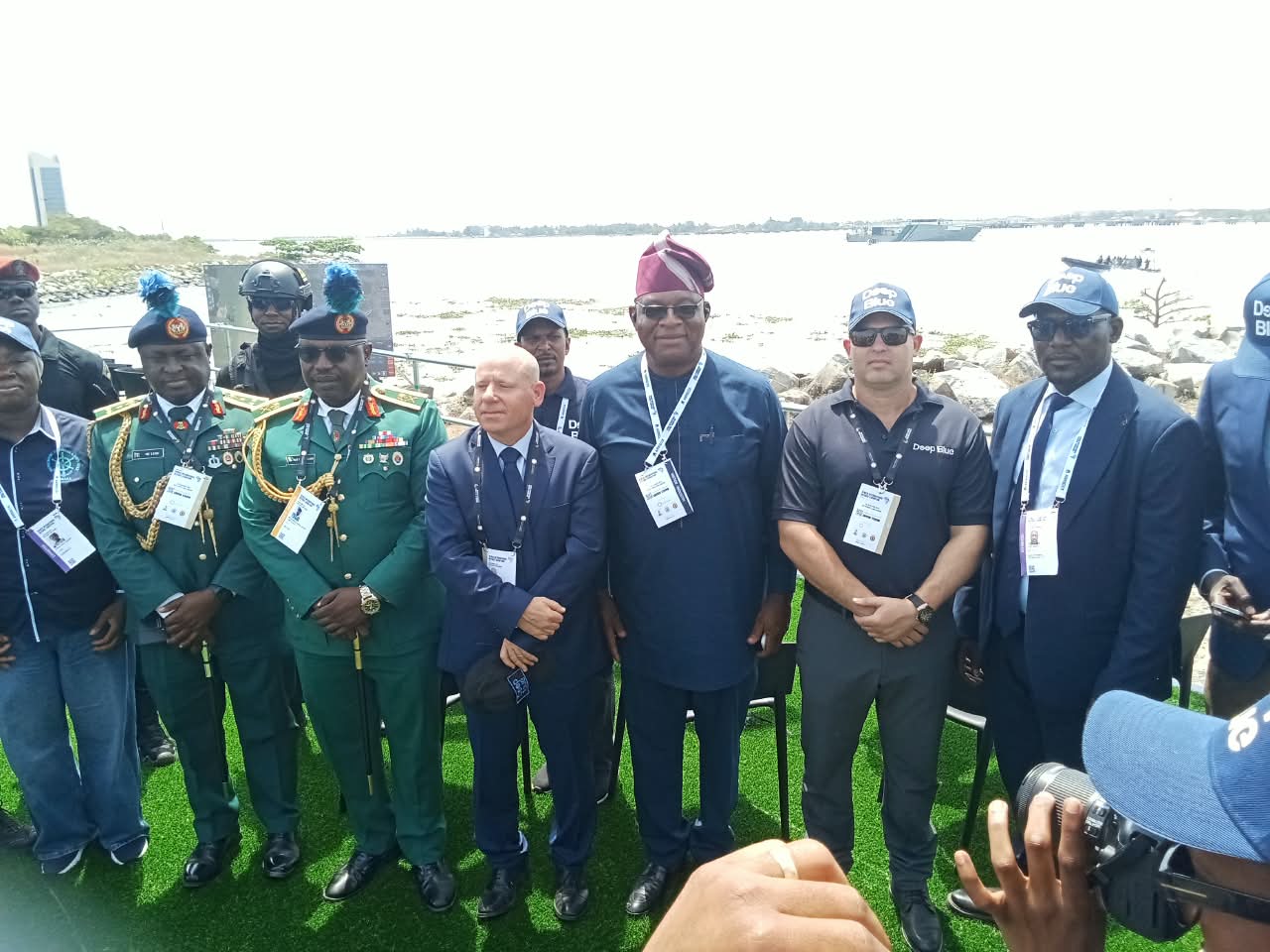
The Nigerian Maritime Administration and Safety Agency (NIMASA) has demonstrated its operational capabilities in responding to attacks on vessels, including piracy, kidnapping of seafarers and hostage-taking for ransom in the Nigeria’s waters.

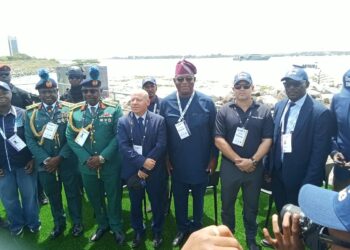
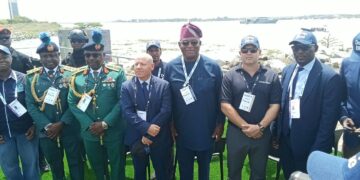
The Agency exhibited the capability using troops of the Nigerian Navy Air Arm and the Special Boat Services during a security simulation at the sideline of the Africa International Defence Exhibition (AFRIDEX) in Lagos.
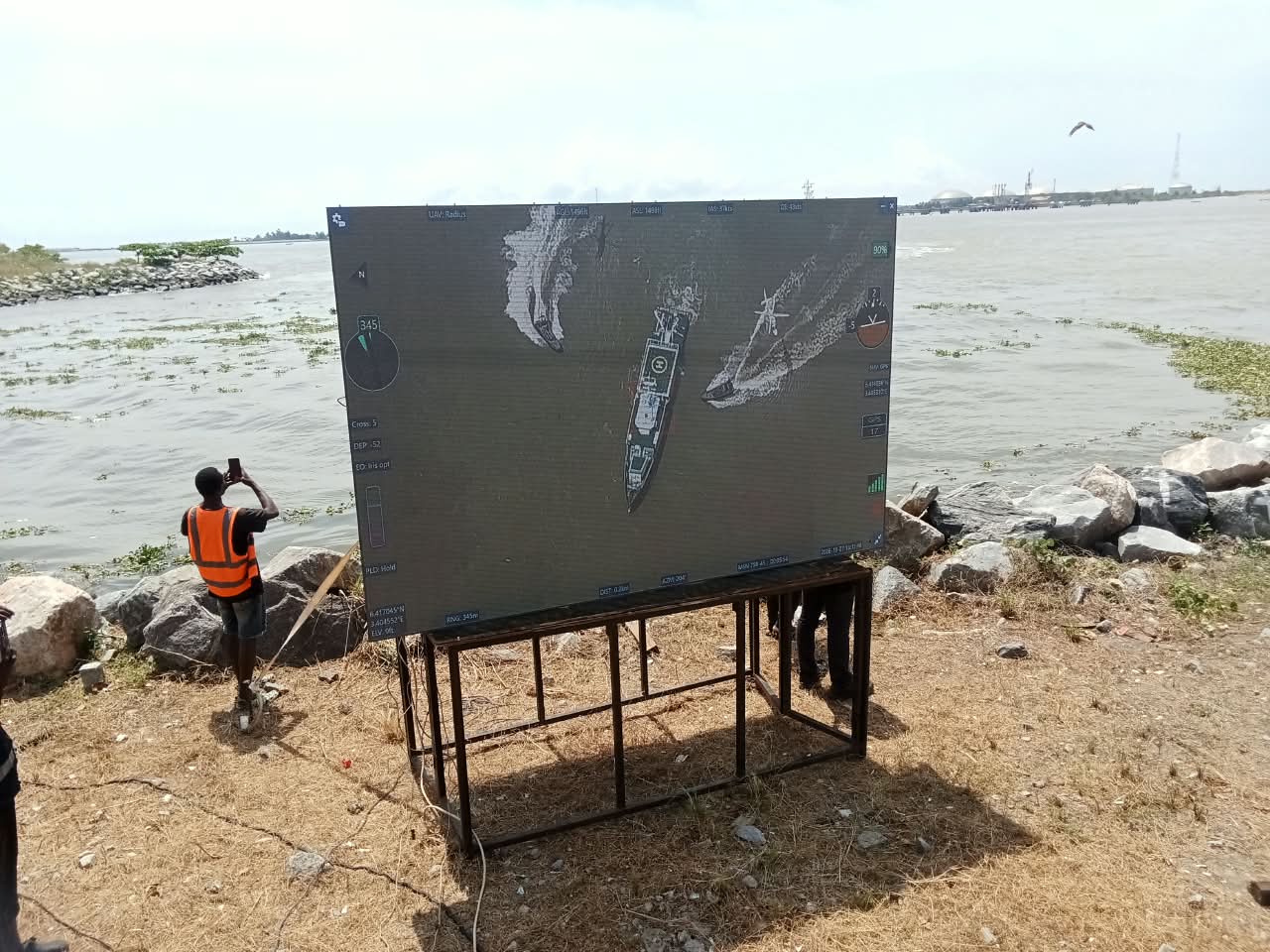
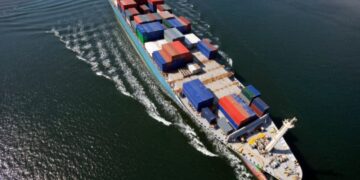
The simulation was about a scenario where armed men acting as pirates were seen approaching a merchant vessel with the intention of attacking the crew and abducting seafarers for ransom.
The demonstration simulated a maritime security incident in which pirates successfully compromised a vessel, prompting the crew to raise the alarm and request assistance.
Attention was subsequently directed to a security vessel identified as DB Abuja, which was presented as the responding force during the exercise.
According to the demonstration, the operation was designed to showcase the ability of maritime security personnel to respond to attacks on commercial vessels and protect seafarers operating in Nigerian waters.
One of the key capabilities highlighted during the exercise was the deployment of an unmanned aerial vehicle (UAV) directly from DB Abuja.
The UAV deployment was presented as the first stage of the response, demonstrating how aerial surveillance could support maritime security operations by helping personnel monitor incidents and assess threats at sea.
The demonstration also highlighted the importance of coordinated responses when merchant vessels come under attack from armed groups.
Piracy and the kidnapping of seafarers remain serious concerns for maritime operators because such incidents threaten human lives, disrupt commercial activities and expose shipping companies to financial losses.
The exercise underscored the importance of improving surveillance, rapid response and operational coordination to address maritime threats.
By demonstrating the deployment of unmanned aerial technology from a vessel, the exercise highlighted the potential role of modern surveillance systems in helping security forces respond more effectively to attacks at sea.
The demonstration also illustrated the need for continued investment in maritime security capabilities to protect commercial shipping, safeguard seafarers and deter criminal activities in Nigeria’s maritime domain.
The maneuver was conducted in conjunction with HLS International Limited, a private foreign security contractor hired to deploy and help manage Nigeria’s massive maritime security framework known as the Deep Blue Project.
HLSI was tasked with procuring and supplying critical security and surveillance equipment. This included armoured vehicles, interceptor boats, patrol vessels, unmanned aerial vehicles (UAVs), and Aircraf.