


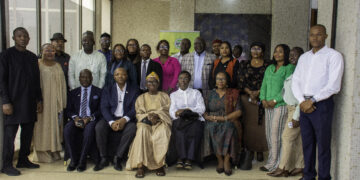
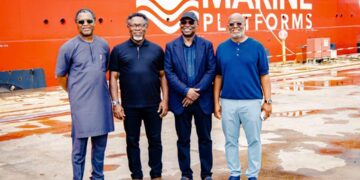


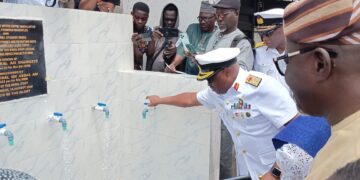
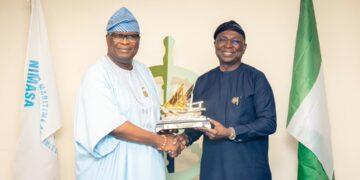
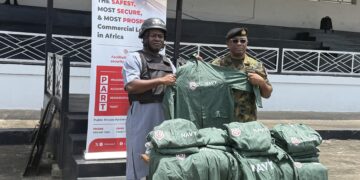
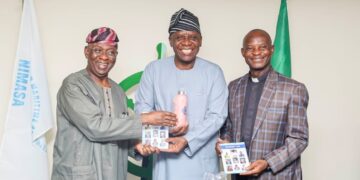
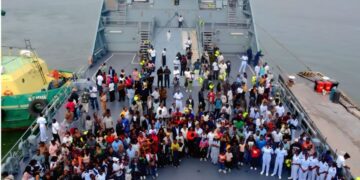






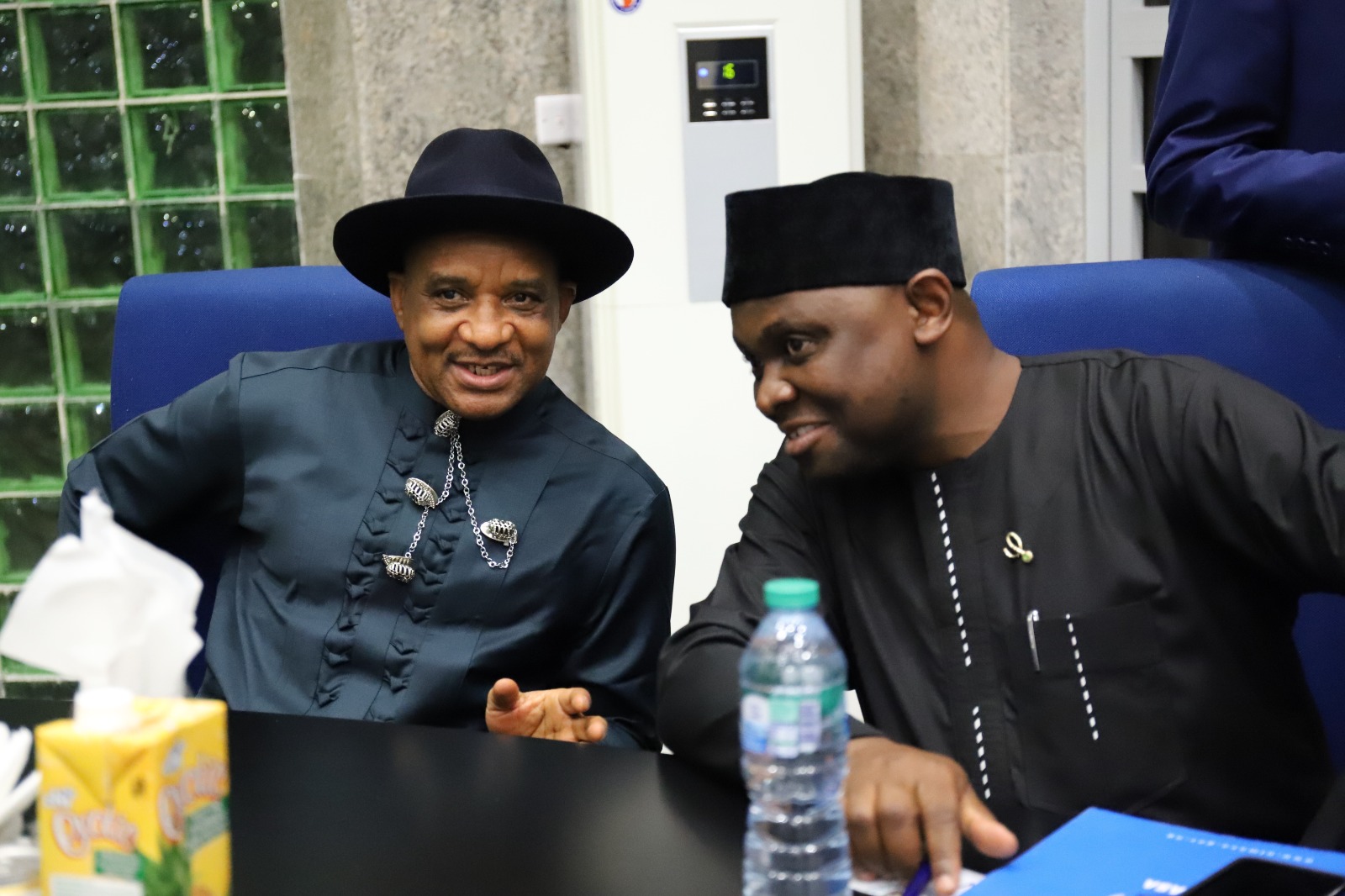
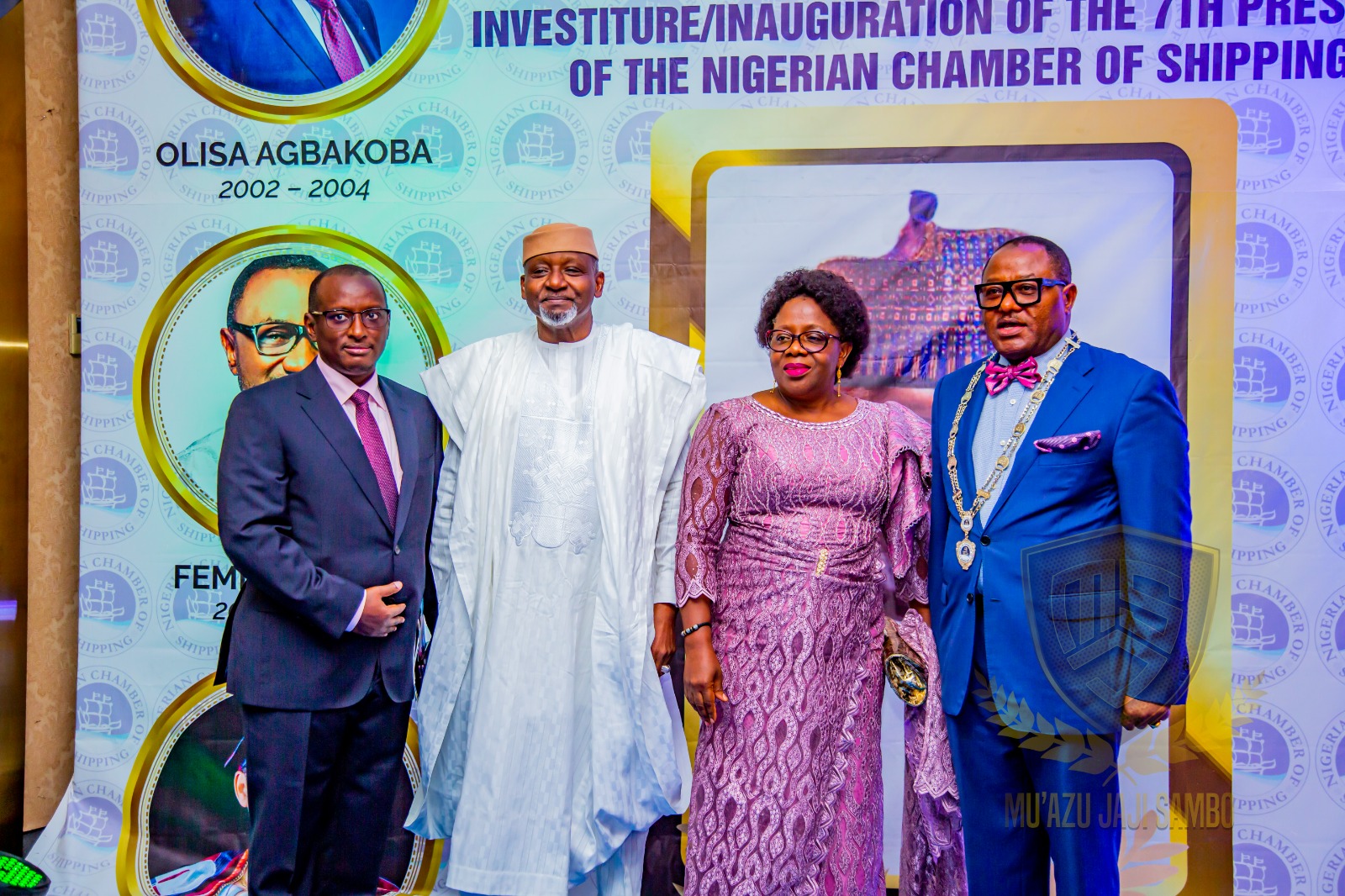



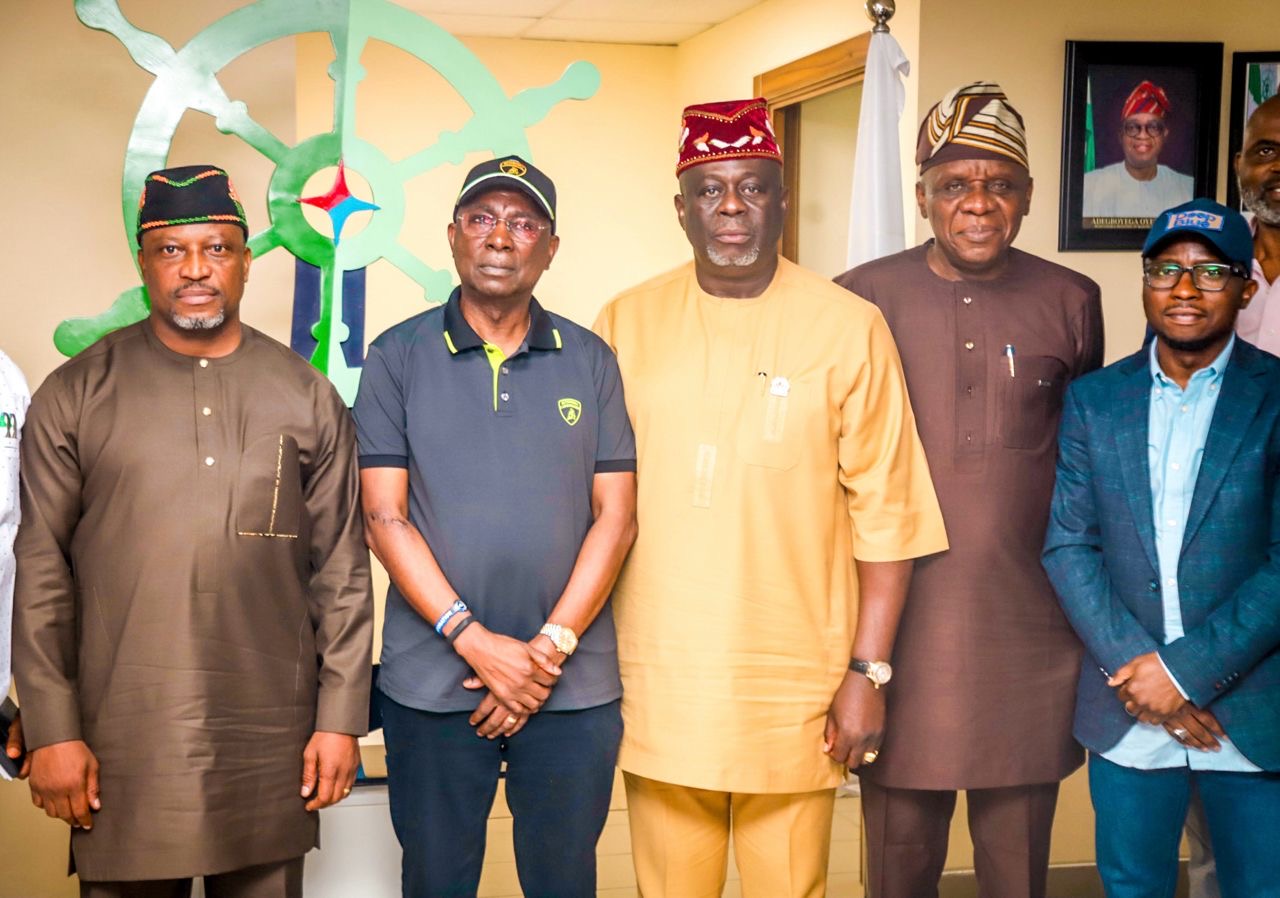
The House of Representatives Committee on Maritime Safety, Education and Administration has pledged full legislative support for the overhaul of Nigeria’s maritime legal framework and the promotion of indigenous vessel ownership.

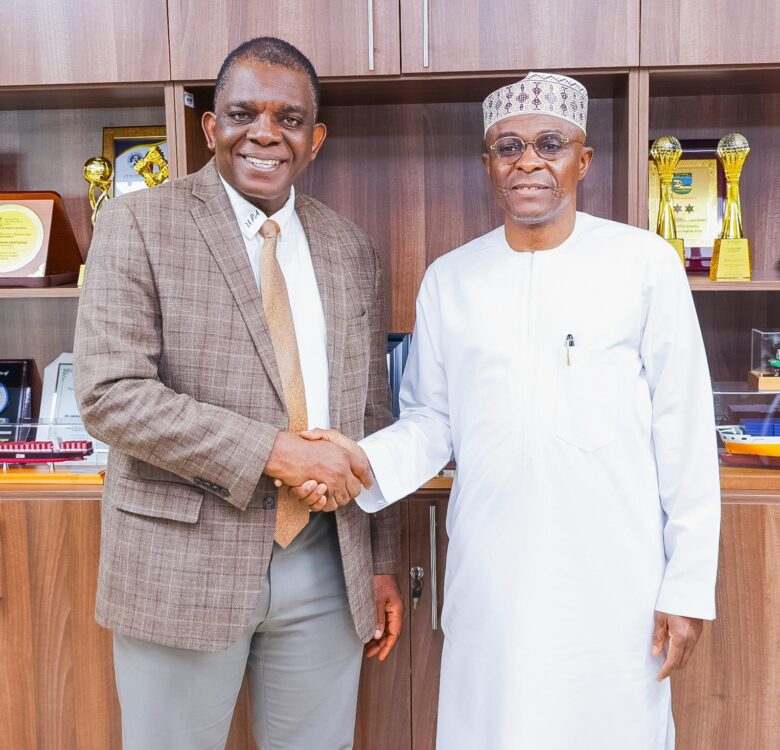
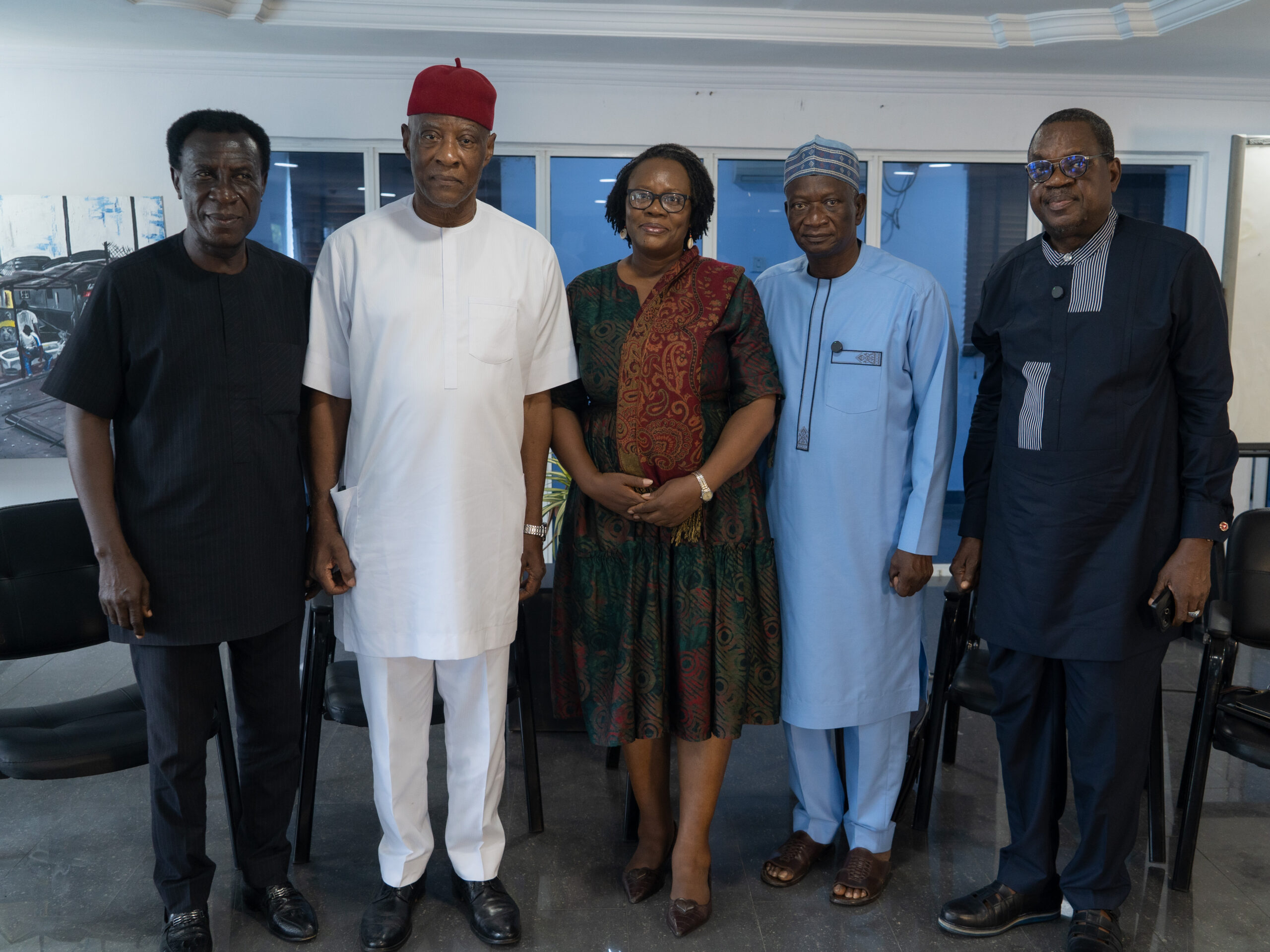
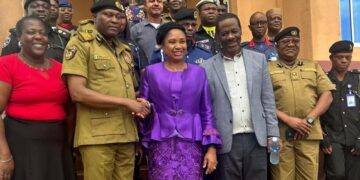
Speaking during an oversight visit to the Nigerian Maritime Resource Development Centre (NMRDC) in Kirikiri, Lagos, on Tuesday, the Deputy Chairman of the Committee, Hon. Uduak Odudoh, said the National Assembly is committed to modernising existing maritime laws to align with global standards and foster local participation in the sector.
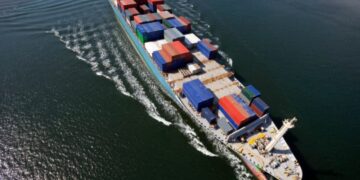
Hon. Odudoh expressed concern over the current state of indigenous vessel ownership, revealing that less than five percent of ships under the regulatory purview of the Nigerian Maritime Administration and Safety Agency (NIMASA) are Nigerian-owned.
“This is unacceptable, and we believe the tide is about to turn,” he said. “With the Cabotage Vessel Financing Fund (CVFF) now activated and domiciled with the Central Bank of Nigeria, we are optimistic that more Nigerians will soon own and operate vessels.”
He described the CVFF as a potential game-changer, expected to curb capital flight, boost employment, and drive economic growth within the maritime value chain. He also commended the Minister of Marine and Blue Economy for recent reforms and urged NIMASA to develop a transparent implementation framework for the fund.
Odudoh said the House Committee is ready to provide both legislative and financial backing, including supplementary budget approvals, to address operational challenges facing NIMASA and the broader maritime sector. He added that the committee would extend oversight visits to other NIMASA formations nationwide to ensure consistent standards and improved service delivery.
He also lauded NIMASA’s efforts in enhancing maritime security, noting the agency’s record of zero piracy incidents across Nigerian waters and the Gulf of Guinea over the last three years.
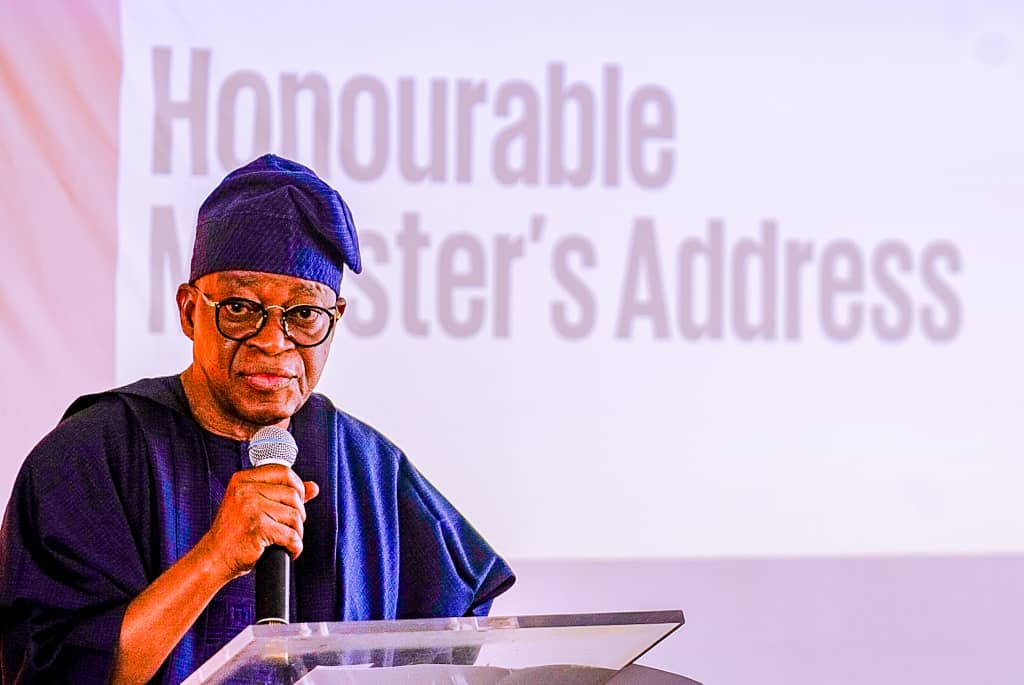
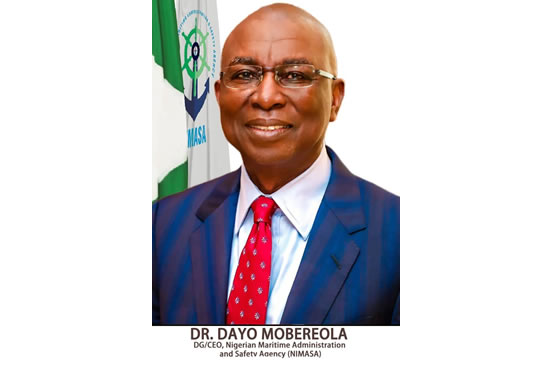
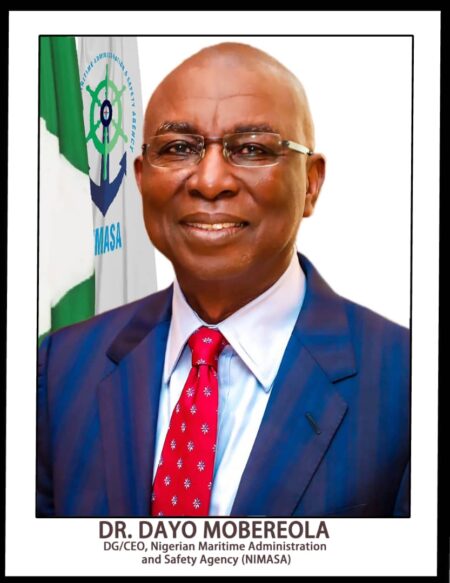
In his remarks, NIMASA Director General, Dr. Dayo Mobereola, said the long-anticipated Cabotage Fund is on the verge of full operationalization. He announced an expansion of Primary Lending Institutions (PLIs) from five to twelve, with the PLIs expected to contribute 35 percent of approved loans, while NIMASA will provide 50 percent.
“This structure ensures that only financially viable and competent Nigerian shipping companies can access the fund,” Mobereola said.
He described the fund as “revolving and patient capital,” with single-digit interest rates and long repayment tenures aimed at supporting sustainable growth. He also disclosed ongoing talks with key cargo generators such as NNPC and NLNG to prioritize Nigerian-owned vessels in cargo allocation, creating guaranteed market access for CVFF beneficiaries.
Mobereola reaffirmed the agency’s commitment to supporting local shipowners with both financial and operational assistance to enhance their global competitiveness.