


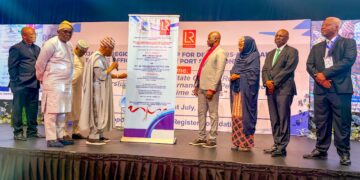
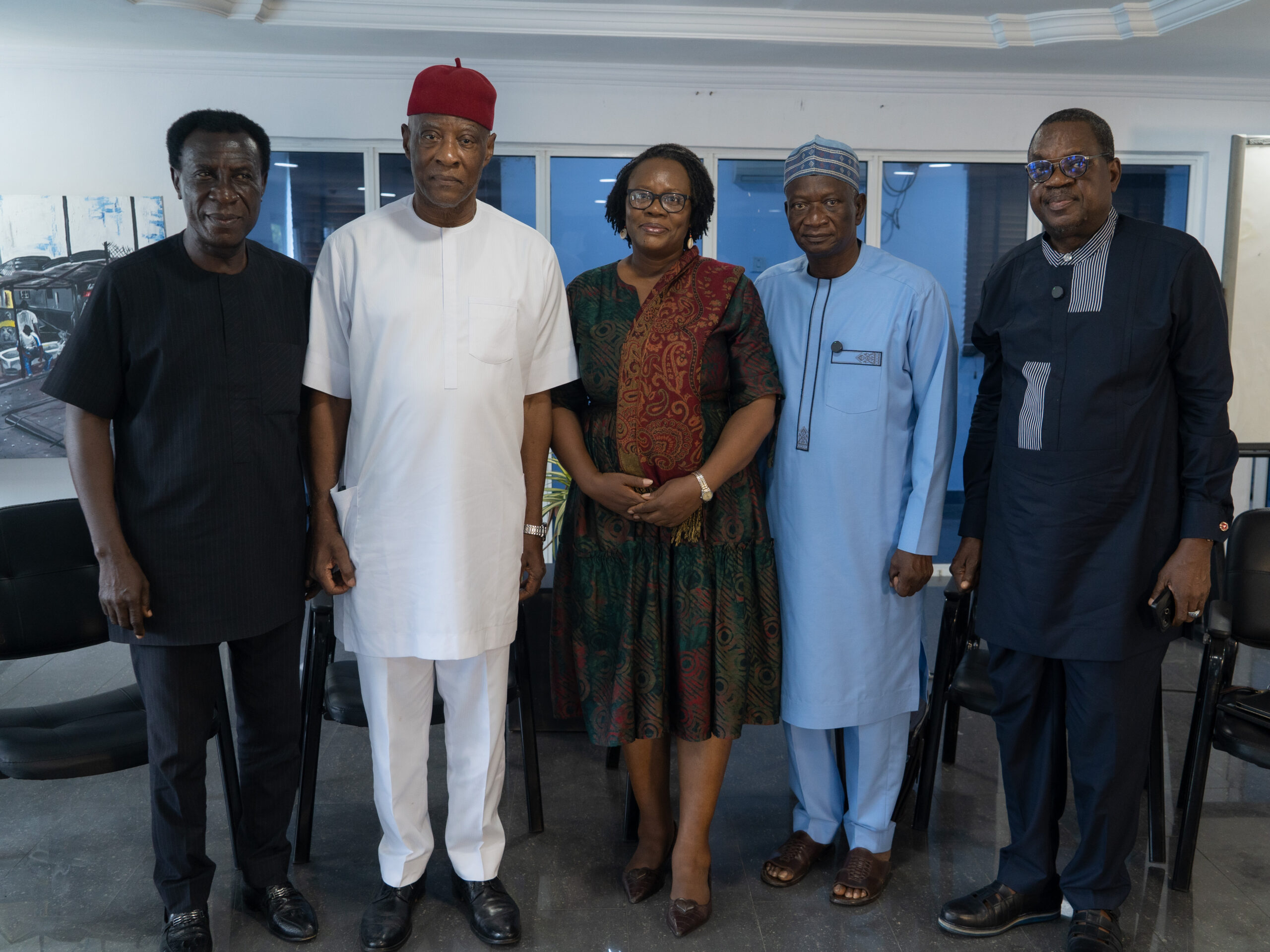

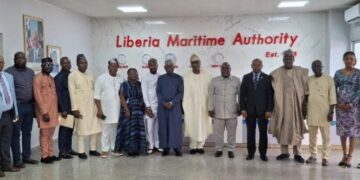






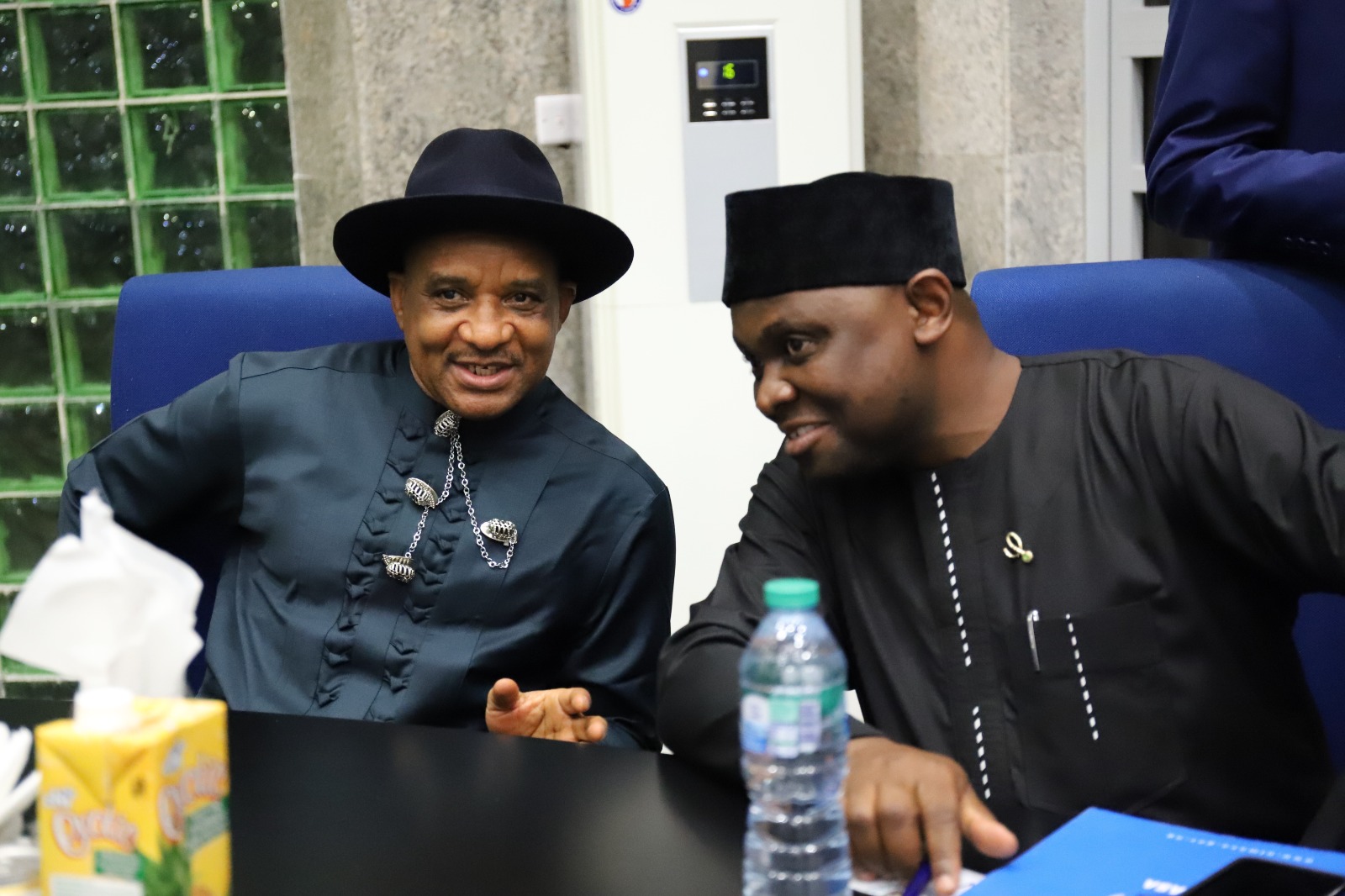
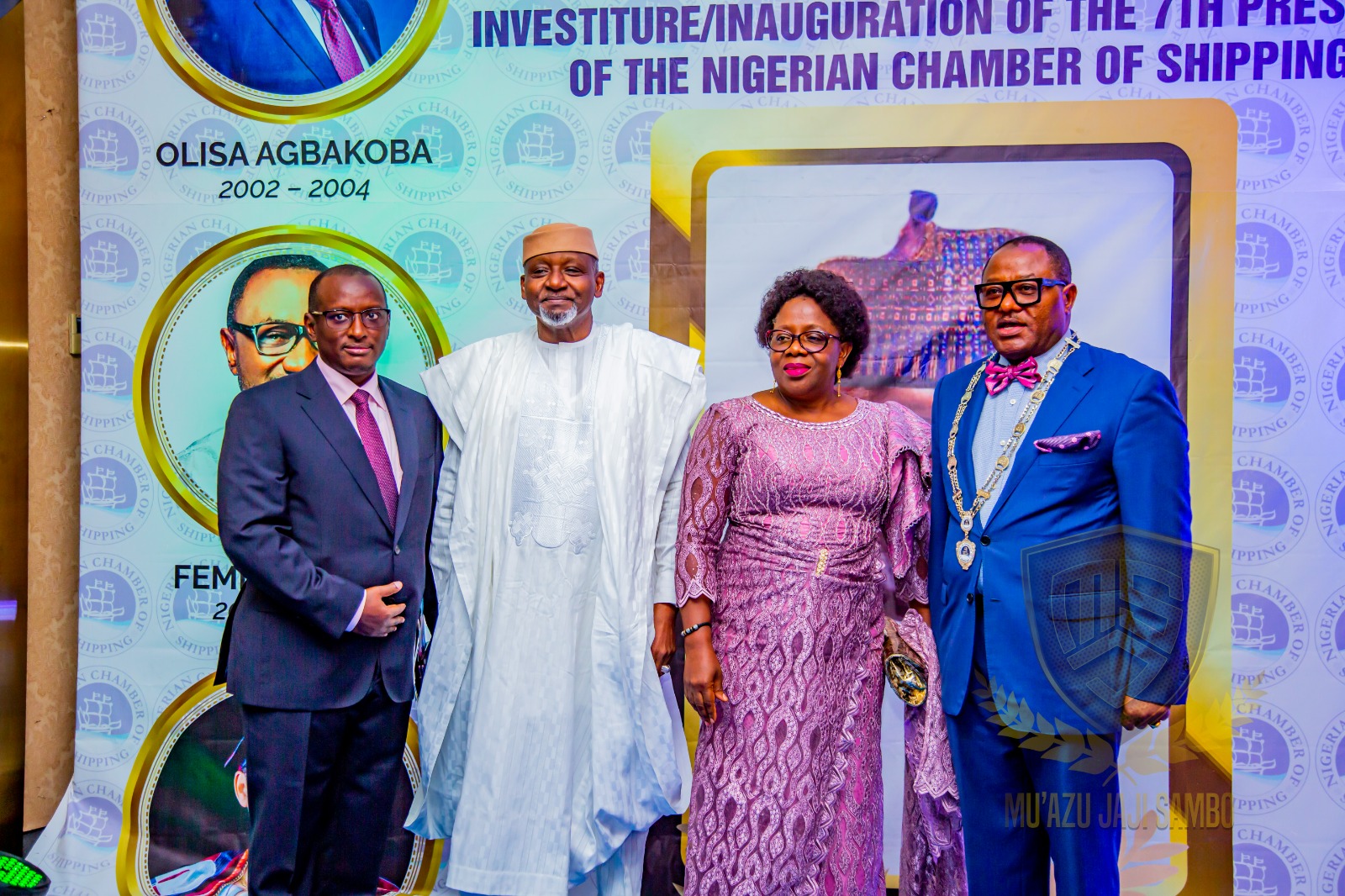


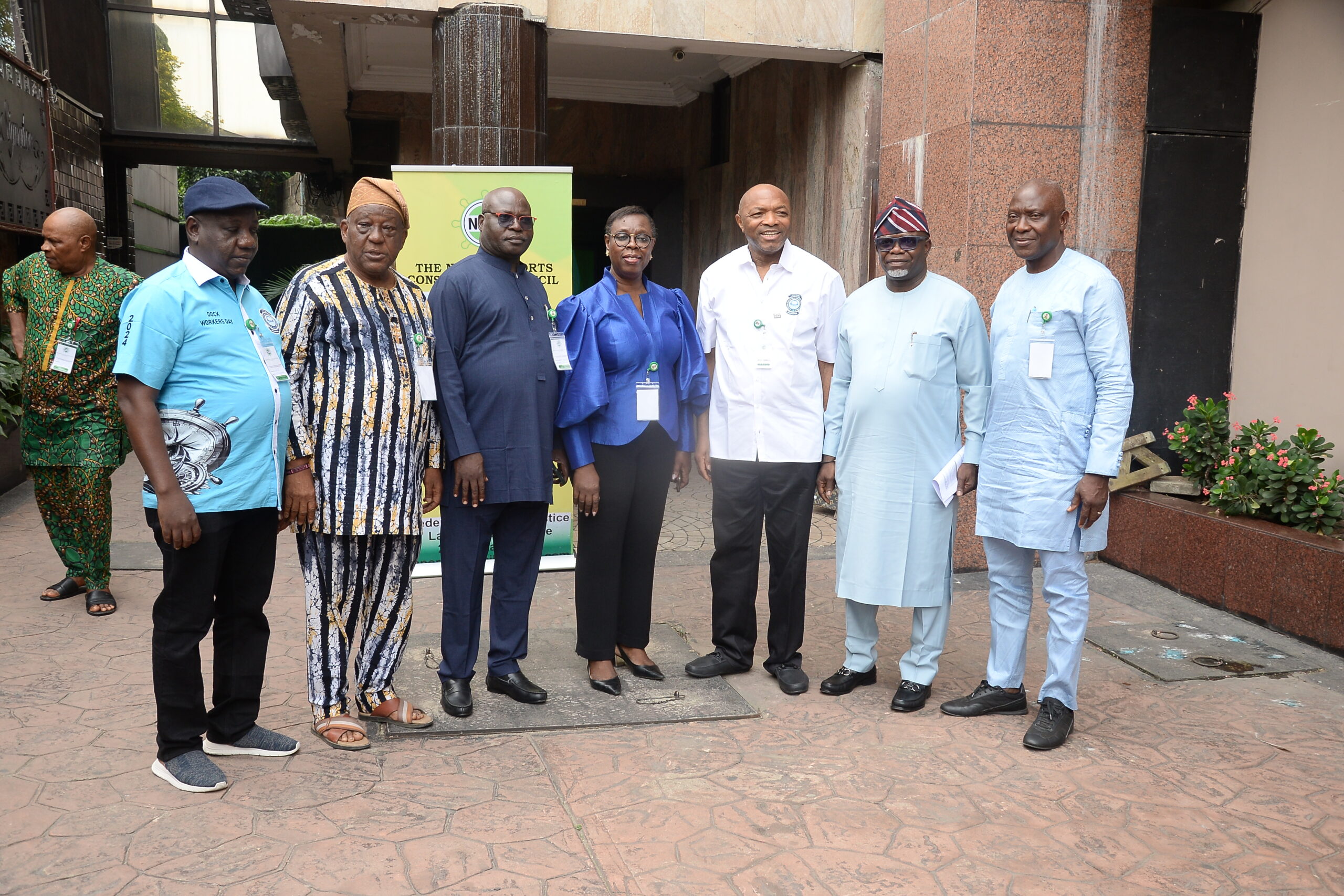
The Nigerian Ports Consultative Council (NPCC) has concluded a two-day intensive training programme on key knowledge areas for capacity development in port operations.

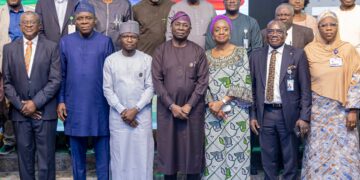
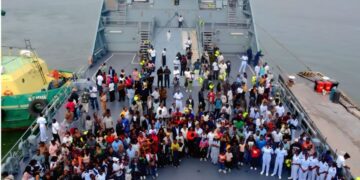
The training which held on the 27-28 February 2026 at the Landmark Hotel in Port Harcourt, Rivers State, had participants drawn from diverse operations areas of the seaports including staff of the Nigerian Ports Authority (NPA),stevedoring companies, the Nigerian Shippers Council, and other port services providers.
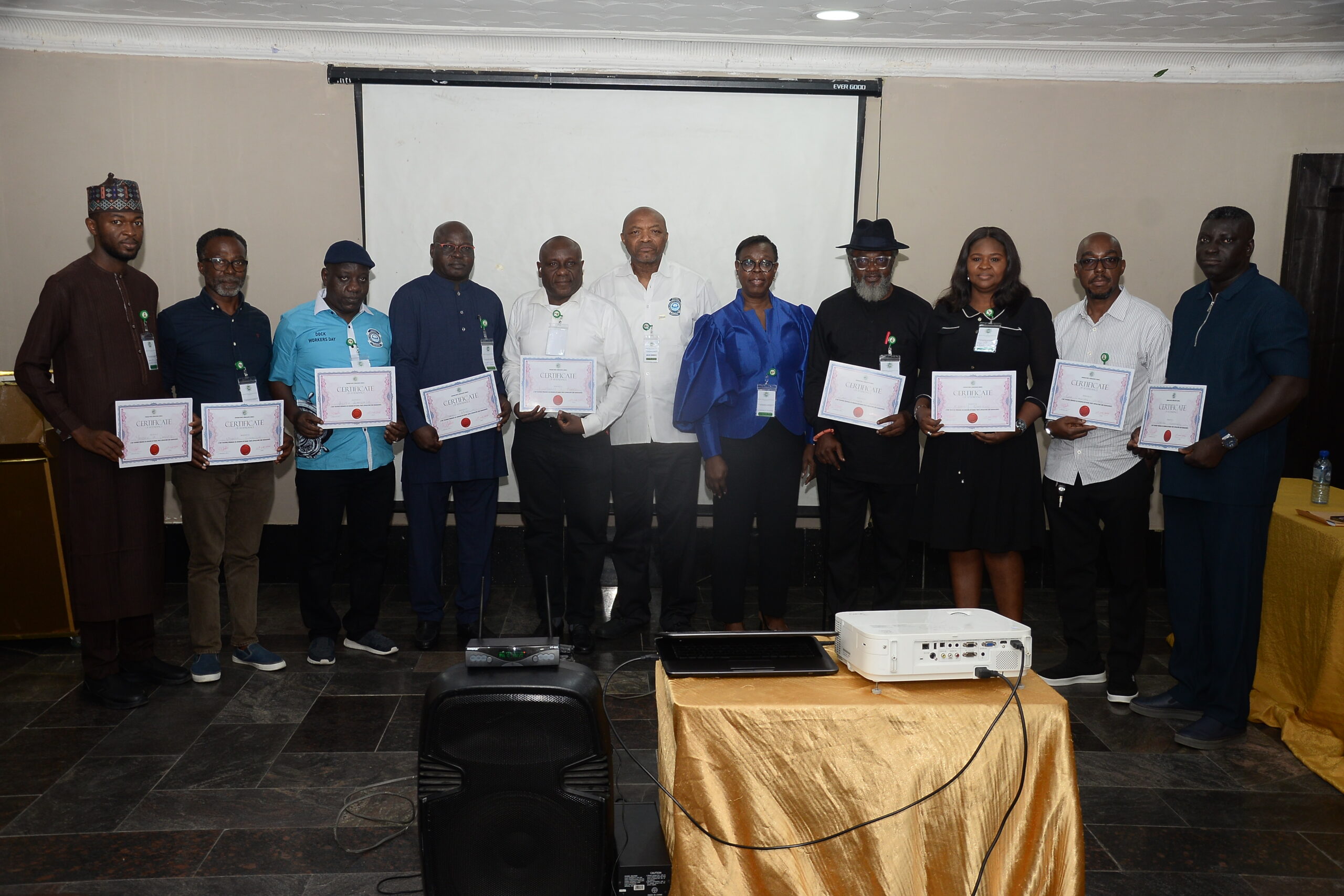
In line with the theme of onshore/offshore ports operations and management, the seven papers presented highlighted the core areas for ports operations efficiency through the port community system, innovative technology in port management, compliance, safety, and manpower healthcare.
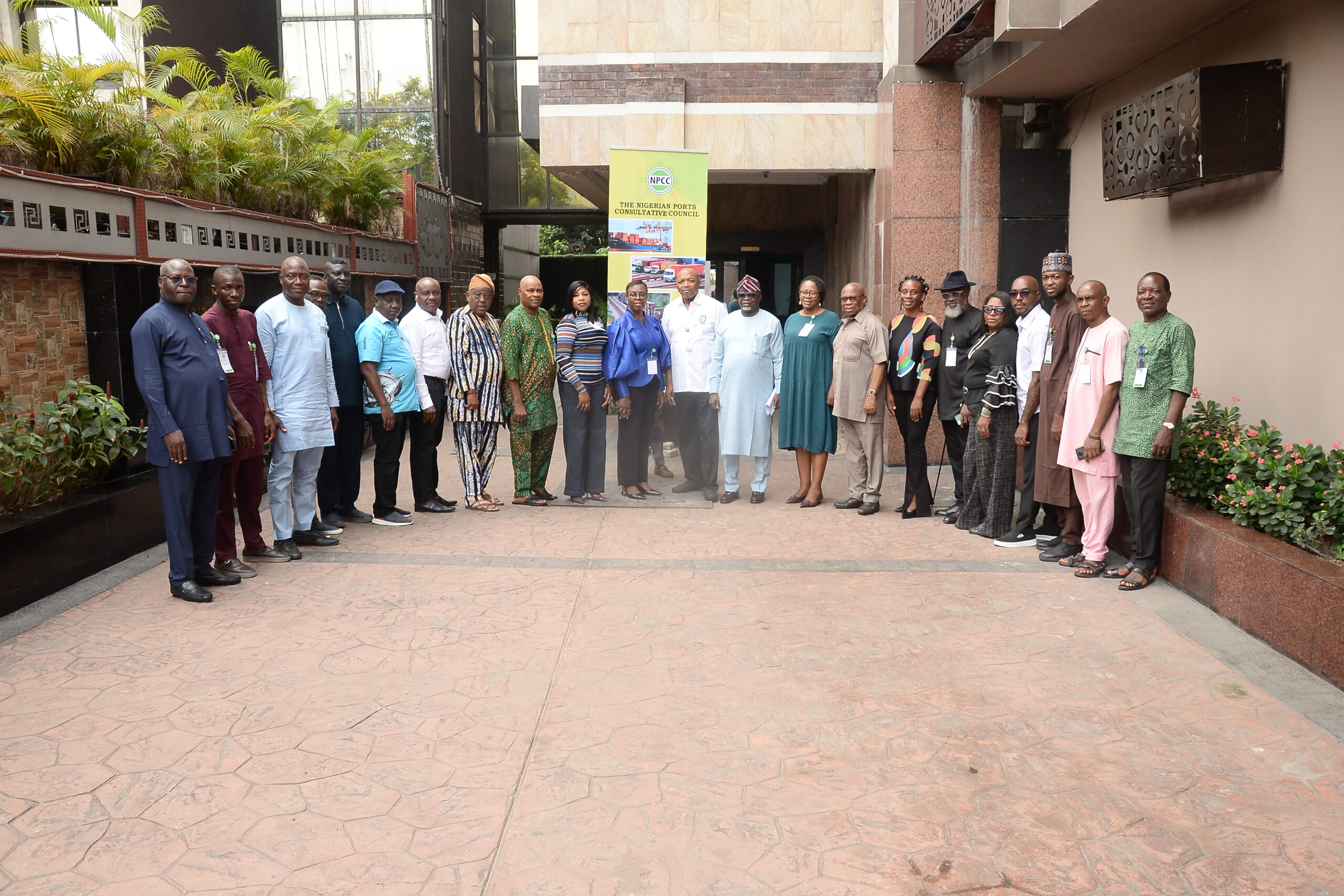
In a brief Goodwill message, Chief Mrs C.F.O. Ezenwa, a member of the Board of Trustees, welcomed participants to the training and thanked the NPCC for discussing global issues of maritime concern such as the need for digitalization of the port operating system.
“I encourage the NPCC to continue on this worthy path as this is a legacy for the maritime industry, where knowledge is shared and capacity built for valuable impact,” Ezenwa said.
In his welcome address, the NPCC Chairman, Mr. Bolaji Sunmola, expressed confidence that the Council was charting a part to building big capacity for manpower in the marine and blue economy sector.
He added that the papers for delivery have been well-researched within the scope of contemporary needs for ports operations efficiency.
“The NPCC took its time to put together very sound Faculty for this training. The papers have been well-researched to address contemporary needs of the port industry.
“We understand that for efficient port operations, highly technical skills are required in addition to knowledge, and those are the areas that this training will be addressing.
“We are certain that the participants would leave this training programme enriched with knowledge that would contribute value to their operations at the ports,” Mr. Sunmola said.
He emphasized the need for structured, targeted training to equip port professionals with current knowledge, technical skills, and global best practices.
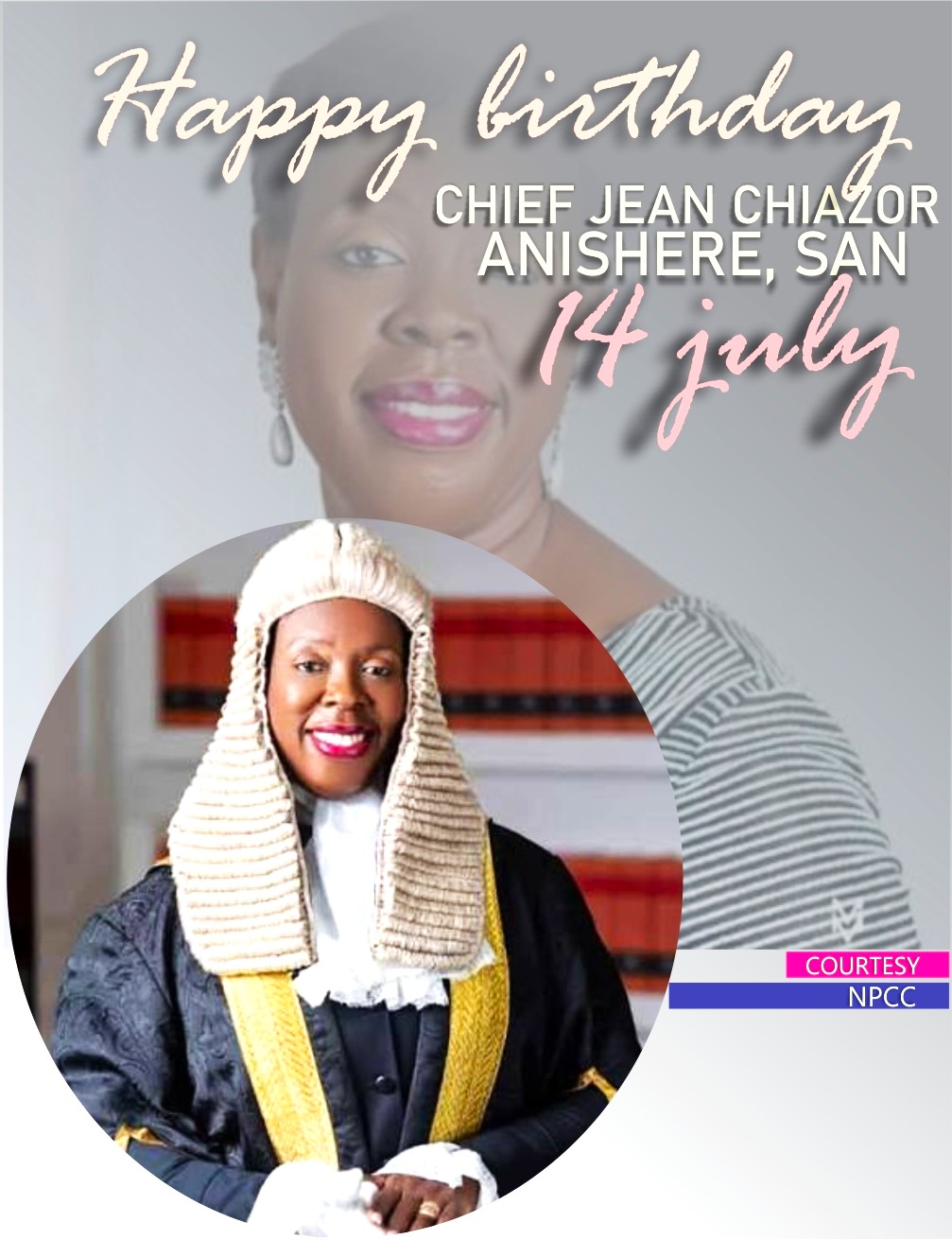
In her speech welcoming participants and declaring the training open, the NPCC Vice Chairperson, Mrs. Jean Chiazor Anishere ,SAN, reiterated the international nature of shipping, which makes it a task for local manpower to develop along the lines of global standards, to achieve the ultimate goal for the industry needs.
Whilst encouraging the participants to make the best of the training, the NPCC Chairperson added that holding the edition of training in Port Harcourt, Rivers, was a testament to the Council’s intention to ensure that the programme is taken across locations where seaports are present, as well.
“The NPCC was very intentional while drawing up this programme. We understand the importance of ensuring that the training it taken to locations such as Port Harcourt where we have seaports. This is very satisfying to us and we are sure it would be appreciated, because it not only a Lagos affair,” she said.
Captain Iheanacho Ebubeogu, a master mariner, opened the session with his paper titled ‘Logistics and Physical Distribution Management.’
Prof. Bamidele Badejo’s paper titled ‘ The Role of Innovative Technology in Port Management and Operations; Use of Drones and Artificial Intelligence (Ai) in Onshore-Offshore Corporation, Ballast water Management, Vessel Traffic Service and Port Community system’ gave a great insight into how well innovative technology has grown and continue to support seaport operations particularly offshore.
A former Port Manager of the TinCan Island Port, Lagos, Chief Sylvester Egede’s paper presentation, also took a deep dive into the Port Community System, and safe crew transfer in offshore supply chain logistics.
Other papers presented included ‘Digitisation, Greenport and Smart Port Technologies, Port Management Information Systems, Electronic Data Interchange, Port information Management’, ‘Integration of Shore base Facilities with Offshore needs,’ and ‘General Mental Health Wellbeing: Addressing Issues of Insomnia, Fatigue, and Burnout.’
Each paper presented closed with robust interactive sessions where participants engaged the paper presenters in further question and answer pattern.
The training closed with a participant-exercise session in general mental health wellbeing, an area that has received global recognition for better productivity when the worker has complete wellness.