























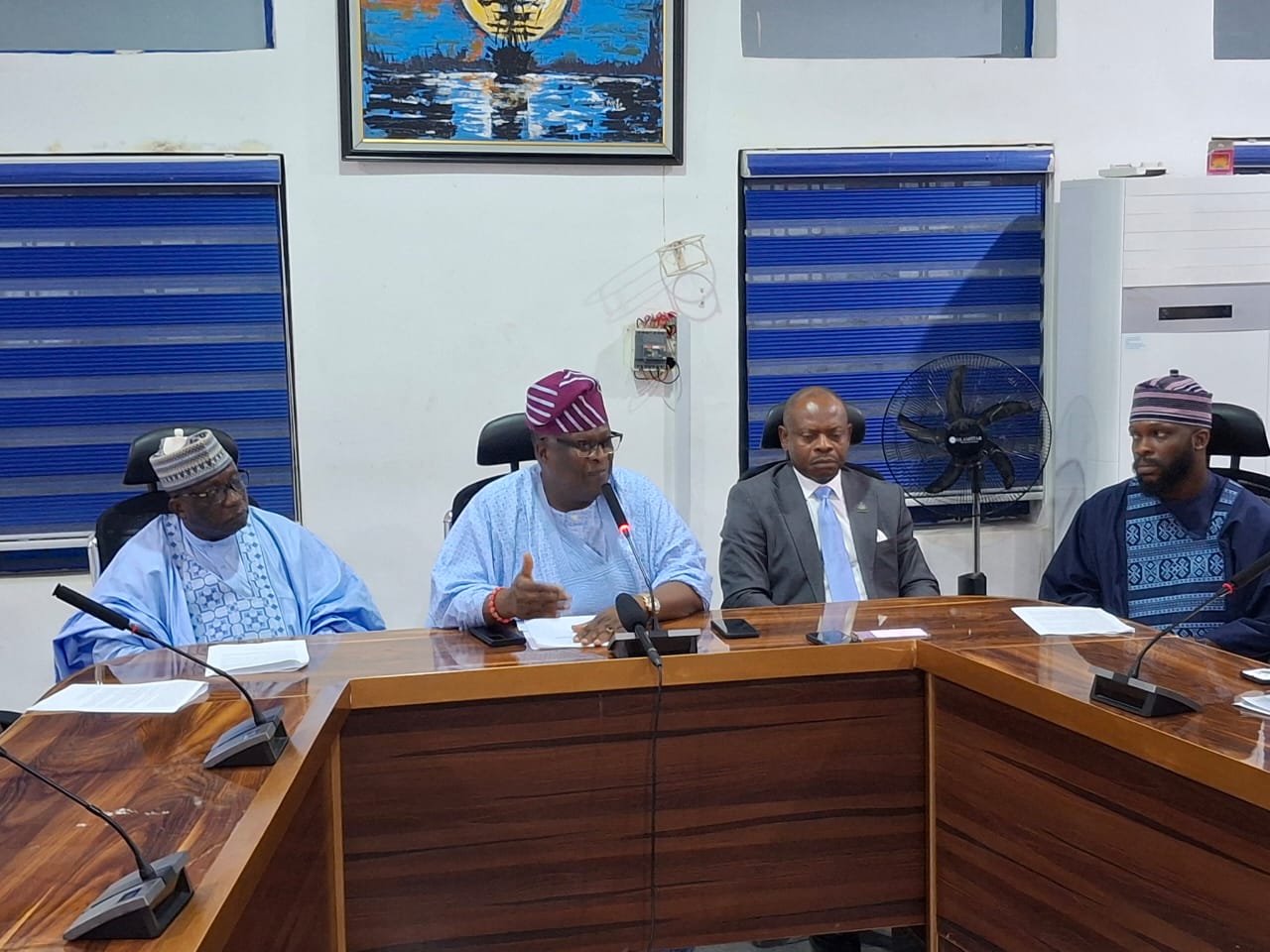
The Governing Council of the Maritime Academy of Nigeria, Oron, Akwa Ibom, has raised concerns over the demand from some quarters, that the Academy be converted into a university.

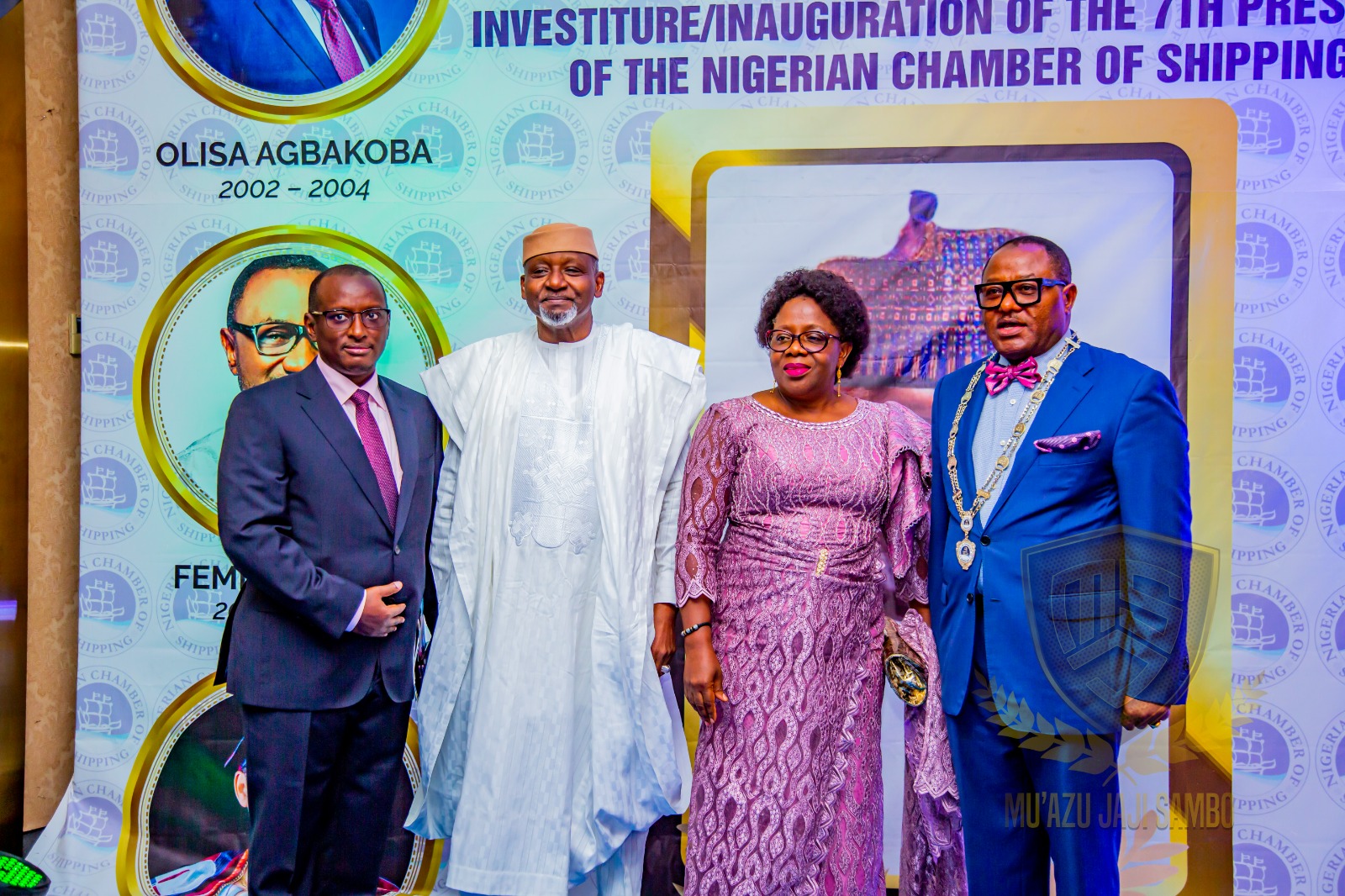
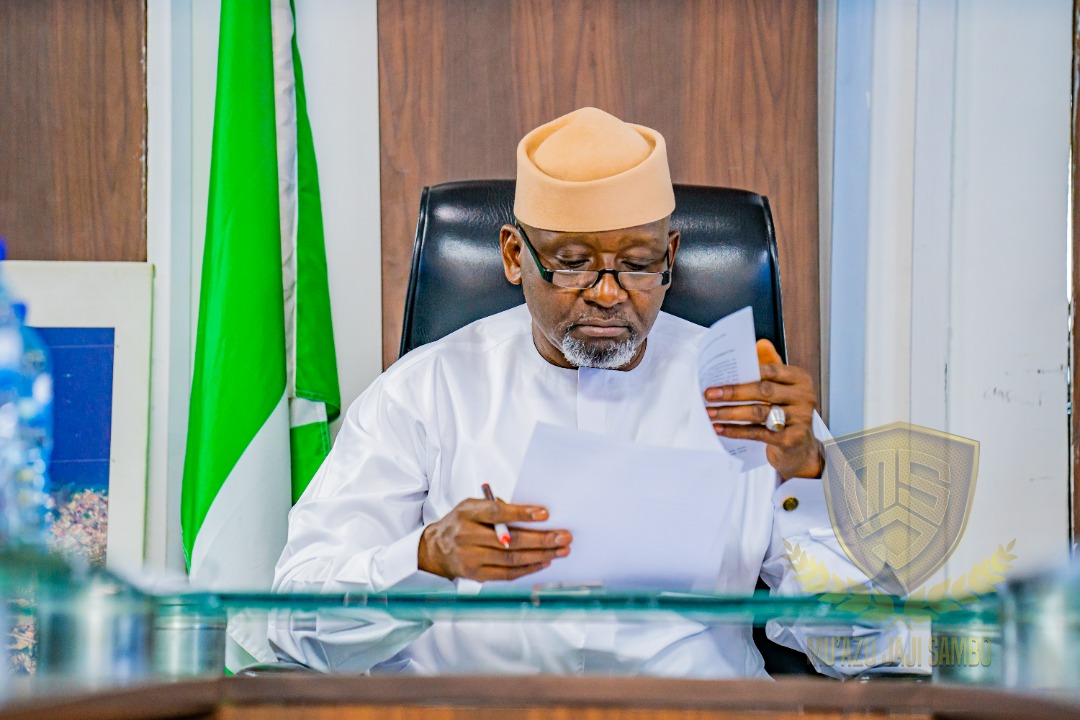
Addressing a news briefing on Thursday at the Academy, Chairman of the Governing Council, Engr. Kehinde Akinola, said the agitation could have been sponsored by opposition party “who wish to covet a national asset.”
He noted that the Academy, which was established with every provision for the training of manpower for the maritime industry, would lose it’s relevance if it became a university.
“The establishment of the University of Maritime Studies, Oron, under the Federal Ministry of Education will cause the Maritime Academy of Nigeria to lose its specialized character and genuine link to the human capacity development needs of the Maritime sector in Nigeria.
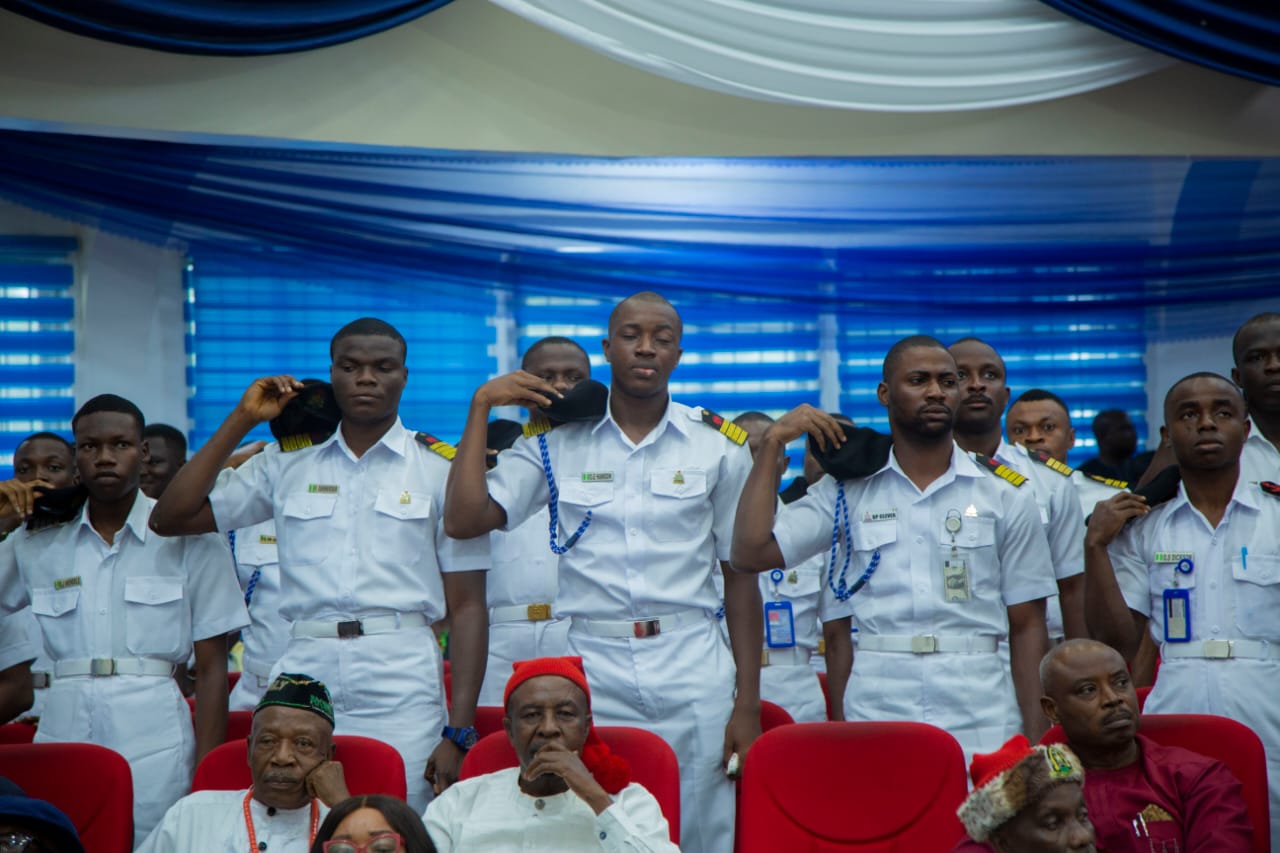
“The Academy would lose the regimentation status of its cadetship training aimed at ensuring that merchant navy cadets are trained are trained for physical and me talk strength, as well as being disciplined. ”
He also noted that such a change would automatically put an end to funding for the institution from the Nigerian Maritime administration and Safety Agency( NIMASA).
“The provision of the NIMASA Act for not less than 5% pf its revenue to be provided to the Academy would cease to be operational as the NIMASA Act only recognizes the Maritime Academy of Nigeria. Such a development would pose very serous operational issues at the Academy. that is dependent on the funds from from NIMASA to maintain other massive physical infrastructure and training facilities.”
Other Maritime Academies, like the United States Merchant Marine Academy ( USMMA), Kings Point, New York, which awards degrees, is one of 15 of such academies available in the US.
There is also the Arab Academy for Science, Technology and Maritime Transport (AASTMT) which awards degrees and is operated by the Arab League with strong funding ties with the Egyptian Ministry of Transport. And in Kenya, they have the Bandari Maritime Academy in Mombasa, the Governing Council Chairman noted.
Akinola made reference that the agitation, which had been going on for a long time, had received levels of approval during the previous administration, a development that they are presently concerned about due to how it would cause disruptions in building manpower for the maritime industry.
He said that a five-year strategic development plan had been set for their work in line with the expectations of the Renewed Hope agenda. This strategy, Akinola said, would enable the Academy attact seasoned Maritime professionals to come and train the cadets.
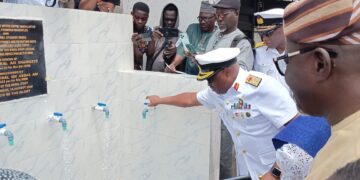
The Academy, through its Corporate Social Responsibility (CSR) efforts, has extended goodwill to the host community by providing the people with electricity.
“As part of our CSR to the community, we have facilitated the reconnection of electricity by PHDC, to Oron community after eight years of disconnection from Eket. We must also mention provision of solar Street lighting to the community.”
The Academy was originally established in 1977 as a Nautical College of Nigeria by the Federal Executive Conclusion No.EC(77)172, with assistance from the International Maritime Organisation. It was designed as an integrated institution for training of Shipboard officers and ratings as well as shore-based management personnel. Following Nigeria’s ratification of the International Convention, 1978, in 1986, the status of the College was upgraded by Decree No 16 of 1988 ( Now Cap. M3 LFN 2010) and renamed Maritime Academy of Nigeria.