



























The Nigerian Ports Consultative Council (NPCC) has placed cybersecurity at the centre of Nigeria’s maritime development agenda, declaring it a critical priority as artificial intelligence (AI) reshapes port operations nationwide.

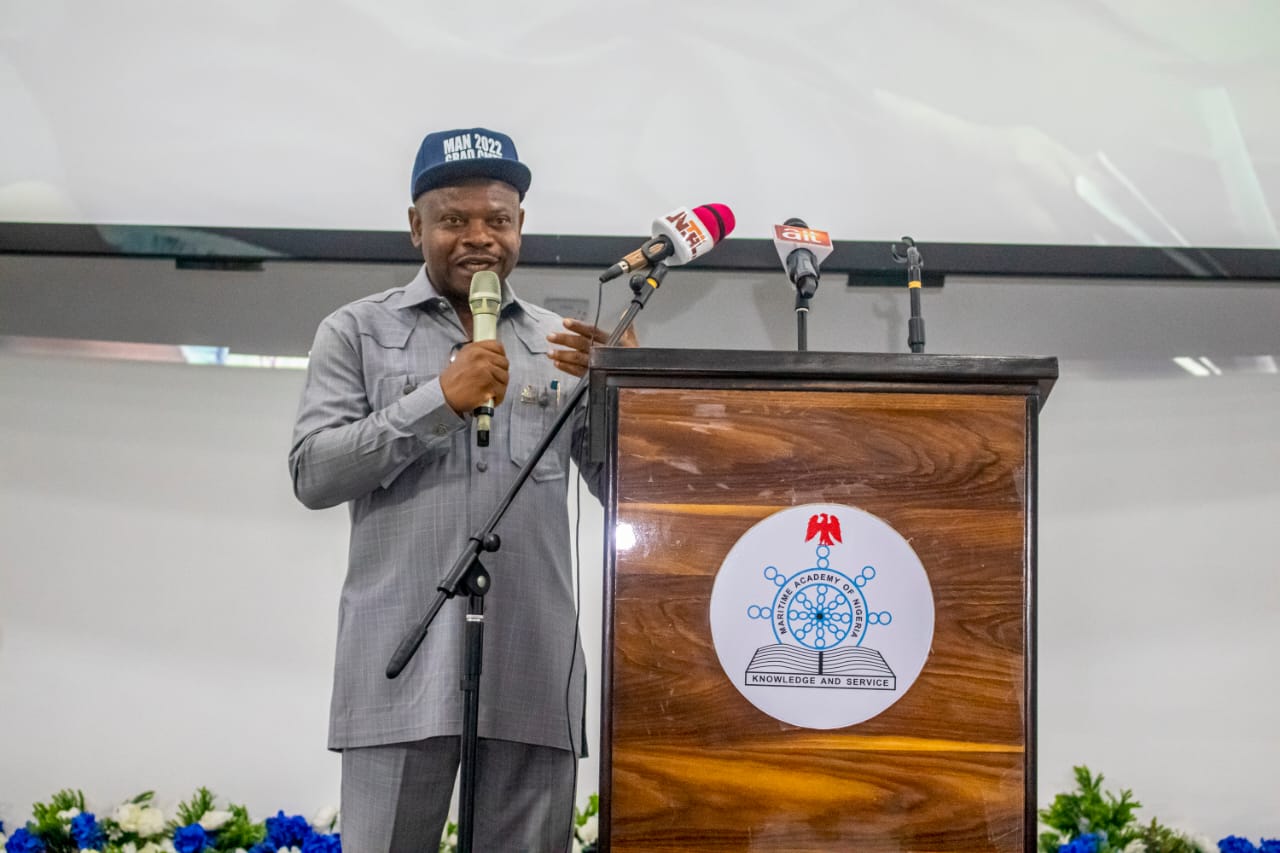
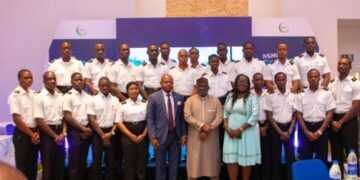
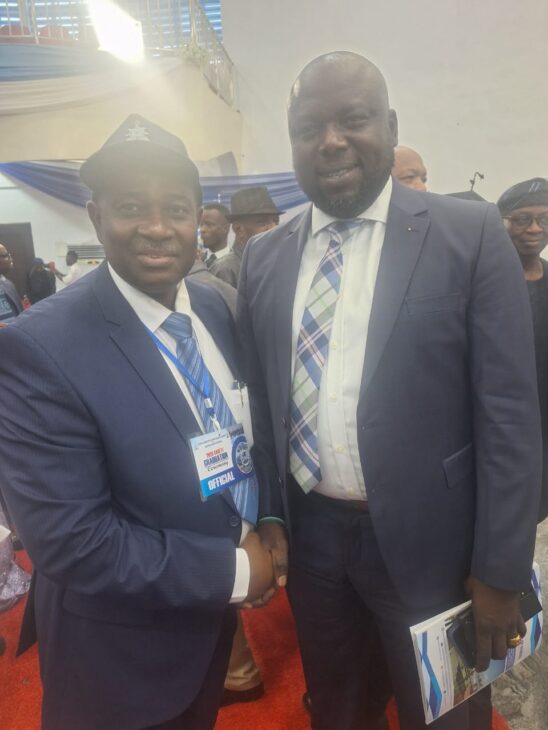
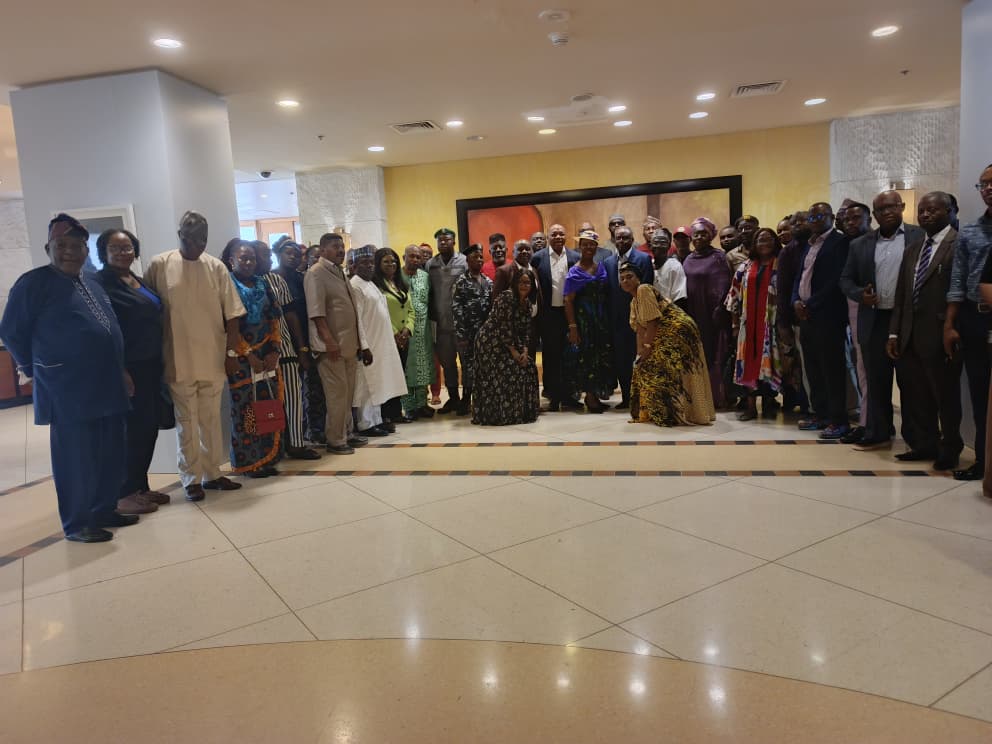
This position was reinforced during the Council’s Quarterly Meeting, held on Friday, in Lagos, where the Chairman of NPCC, Mr. Bolaji Sunmola, emphasised the urgent need to safeguard the country’s maritime digital infrastructure.
Sunmola noted that technology is transforming every layer of maritime operations from vessel traffic management and cargo handling to inspections and regulatory processes but emphasized that the rapid integration of AI is accompanied by growing exposure to data breaches, operational disruptions and attacks on critical infrastructure.
He, however, warned that Nigeria’s competitiveness and national security depend on the sector’s ability to fortify its digital assets, maintain system integrity and build the skills required to manage the evolving threat landscape.
As part of the Council’s strategic direction for 2026, Sunmola announced the establishment of an NPCC Cybersecurity & Digitalisation Taskforce to drive practical recommendations for ports and terminals, alongside expanded training programmes that will now include cybersecurity awareness, AI literacy and data-governance skills for frontline personnel, regulators and operators.
He added that the Council will deepen support for the National Single Window project to ensure secure and seamless system integration, and broaden its engagement with ports outside Lagos to create equitable digital development across Nigeria’s maritime corridor.
The meeting also received quarterly operational briefings from key maritime stakeholders, including the Nigerian Ports Authority (NPA), Nigeria Customs Service (NCS), Nigerian Shippers’ Council (NSC), Nigeria Immigration Service (NIS) and the Nigeria Police Force, among others. These updates covered port performance, security activities, cargo facilitation and ongoing digitalisation initiatives aimed at improving efficiency and strengthening compliance.
A major highlight of the event was the keynote lecture delivered by Rear Admiral Francis Akpan (Rtd), who examined the changing nature of cyber threats in the maritime industry.
He stressed that as automation deepens and AI tools become embedded in operations, the sector must strengthen coordination, enhance cyber hygiene and adopt a proactive approach to risk management to avoid disruptions that could cripple trade and national logistics.
Speaking at the gathering, the NPCC Vice Chairperson and President of the Maritime Arbitrators Association of Nigeria (MAAN), Mrs. Jean Chiazor Anishere SAN, celebrated Nigeria’s recent election into the Category C of the International Maritime Organisation (IMO) Governing Council.
Anishere described the achievement as a timely opportunity for the country to reinforce its global maritime influence and urged industry stakeholders to be intentional and unified in driving policies, manpower development and investments that will position Nigeria for stronger competitiveness on the international stage.