























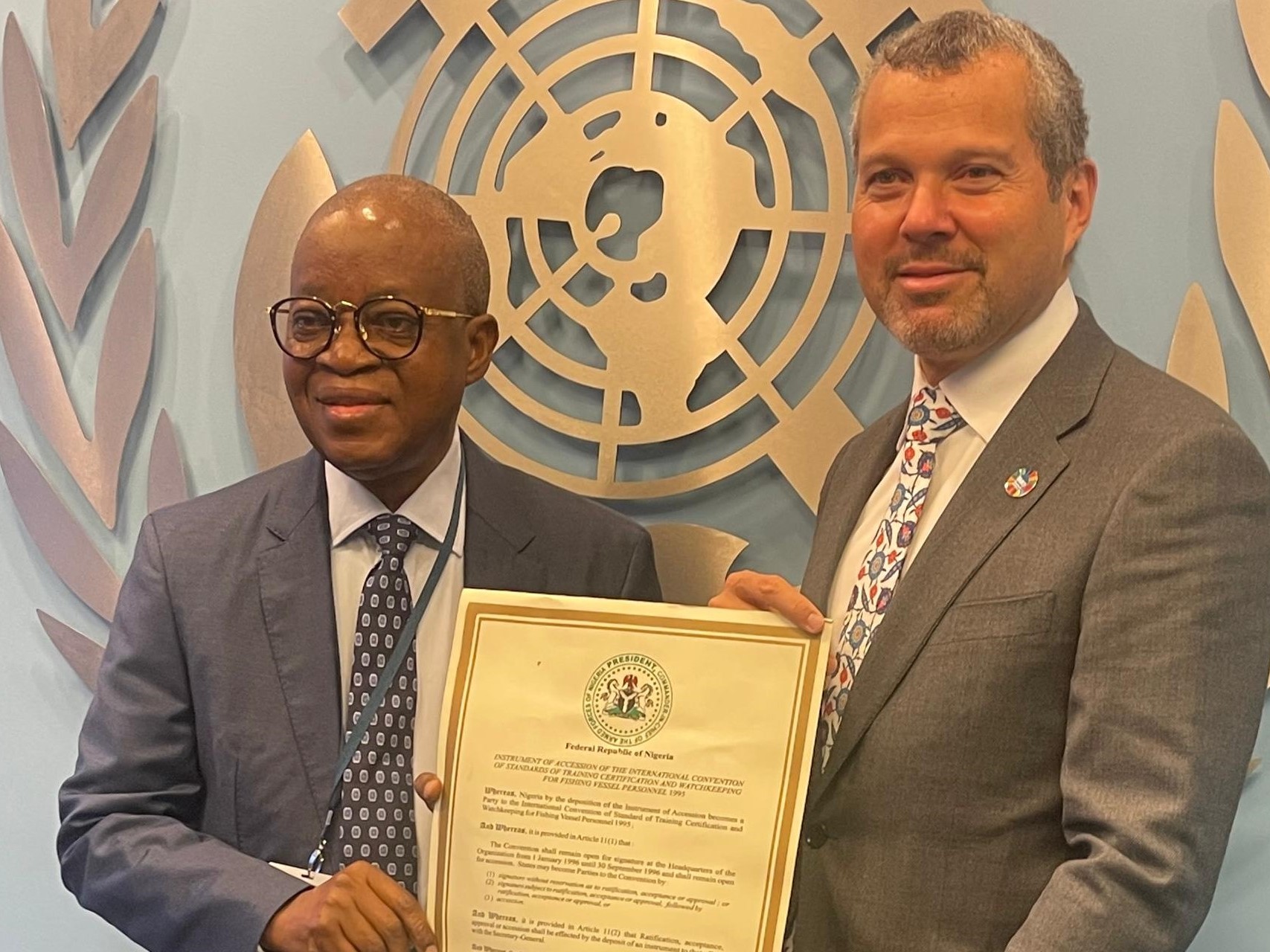
The Nigerian Ports Consultative Council (NPCC) has congratulated the Minister of Marine and Blue Economy, Dr Adegboyega Oyetola, CON, on Nigeria’s successful election into Category C of the International Maritime Organization (IMO) Governing Council, describing the victory as both a diplomatic milestone and a technical affirmation of the country’s evolving maritime capabilities.

NPCC, in a statement by its Chairman, Mr. Bolaji Sunmola, on Monday noted that Nigeria’s persistence over the years has demonstrated a strong desire to reposition itself within the global maritime governance structure.
The Council emphasized that the win did not come by chance, but through steady reforms, increased engagement with maritime partners, and renewed political will from the leadership of the Ministry and its agencies.
NPCC explained that IMO member states evaluate countries based on their contributions to global shipping standards, capacity development, and compliance culture and Nigeria’s visible investments in manpower development through maritime academies, cadetship programmes, and professional upskilling have helped rebuild confidence in its readiness to meet international obligations.
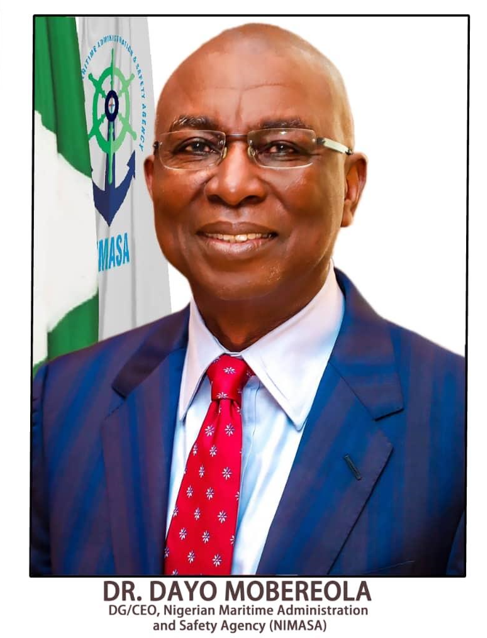
The Council further highlighted Nigeria’s improvements in maritime safety protocols as part of the factors that strengthened global support. Enhancements in navigational aids, increased regulatory oversight by the Nigerian Maritime Administration and Safety Agency (NIMASA), and the technical work of port authorities have shown the international community that the country is serious about safer seas and improved port operations.
On professionalism, NPCC commended the consistency of the Abuja MoU in Port State Control inspections, which has raised the compliance performance of vessels calling at West and Central African ports. Regional maritime platforms such as Maritime Organisations in West and Central Africa (MOWCA) have also benefited from Nigeria’s leadership, reinforcing its image as a country capable of shaping sub-regional shipping standards.
In terms of security, NPCC noted that the Deep Blue Project and the Nigerian Navy’s expanded patrol capacity have significantly reduced piracy incidents in the Gulf of Guinea. The Council stressed that these achievements remain fresh in the minds of IMO voters who closely track safety and security indices before making their decisions.
Noting that the IMO Governing Council elections are influenced by diplomatic relationships, technical confidence, and the perception of how actively a country contributes to global maritime discourse. Nigeria’s renewed visibility at high-level meetings, strengthened bilateral engagements, and alignment with shared maritime priorities helped consolidate its support base.
While celebrating the victory, NPCC emphasized that the outcome comes with heightened responsibility for Nigeria. The Council urged the Ministry to leverage the new seat to deepen regulatory reforms, strengthen Nigeria’s voice in technical committees, and advance policies that position the country as a maritime hub in Africa.
NPCC stressed that Nigeria’s presence on the IMO Council should translate into measurable gains, enhanced port competitiveness, better compliance with IMO conventions, stronger collaboration with industry stakeholders, and a clearer roadmap toward modernizing the nation’s maritime infrastructure.