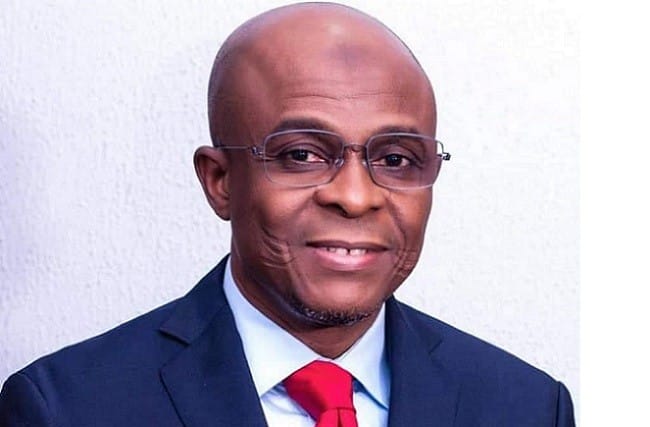


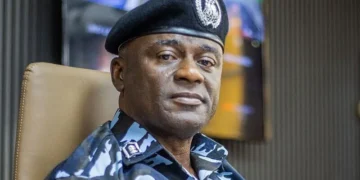




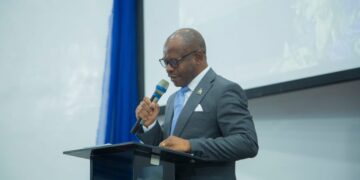







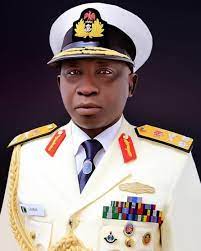
The Chief of Naval Staff-designate, Rear Admiral Idi Abbas, has unveiled plans to integrate advanced technology, including drones and artificial intelligence (AI), into the Nigerian Navy’s operations to combat oil theft, piracy, and other maritime crimes across the nation’s waterways.

Speaking during his Senate screening on Wednesday, Abbas said the move would modernise naval operations, reduce fuel costs, and enhance surveillance efficiency in difficult terrains, especially in the Niger Delta and coastal areas.
“We will incorporate more technology, including the use of drones, to tackle maritime crime,” he said. “A lot of resources are currently wasted fueling boats to reach remote areas. Technology will help us respond faster and more effectively.”
Abbas noted that traditional fuel-heavy patrols would be gradually complemented by digital and remote surveillance systems for a smarter, faster, and more cost-efficient security architecture.
He emphasised that surveillance tools and AI-driven systems would be central to detecting and preventing oil theft and illegal bunkering, adding that such innovations would help plug financial leakages from Nigeria’s petroleum sector.
“Some of our patrols do not yield expected results because of the nature of the terrain, and resources are often wasted on fuel. Using drones will allow us to monitor these areas more effectively,” Abbas explained.
Responding to a question from Senator Olamilekan Solomon, Chairman of the Senate Committee on Appropriation, Abbas said most oil theft occurs in hard-to-reach creeks and coastal areas, stressing that while individual theft may appear small, “when accumulated, it becomes substantial.”
He disclosed that the Navy had already made progress in blocking the use of large offshore tankers for transporting stolen crude and was deploying digital tracking systems to monitor suspicious vessel movements.
Opposes Creation of Separate Coast Guard
The naval chief-designate rejected proposals for the establishment of a separate Coast Guard, describing it as unnecessary and counterproductive.
“We don’t need a separate Coast Guard because the Nigerian Navy already performs those functions,” he said. “Creating another agency would only duplicate efforts. It’s better to channel those funds toward boosting naval operations.”
He revealed that the Navy recently established a Special Operations Command in Makurdi, Benue State, to enhance security along inland waterways connecting Benue and Lokoja, as part of efforts to secure the nation’s internal maritime corridors.
Calls for Balanced Approach to Deradicalisation
Abbas also spoke on the military’s ongoing deradicalisation initiative for repentant criminals, commending the effort but calling for empathy toward victims’ families.
“Deradicalising repentant criminals is a good idea, but we must also think of the moral burden. Families who lost loved ones to these criminals should be consulted before amnesty is granted,” he said.
He reaffirmed the Navy’s commitment to its Total Spectrum Maritime Strategy, a framework designed to address the full range of maritime security challenges — from piracy and oil theft to kidnapping and smuggling.
“The challenges we face cannot be solved by the military alone. It requires a whole-of-society approach,” Abbas added. “We must synergise across the armed forces and with civil institutions to make Nigeria safer.”
On Tuesday, President Bola Ahmed Tinubu formally requested the Senate’s confirmation of the newly appointed service chiefs. The nominees include General Olufemi Oluyede as Chief of Defence Staff; Major General Wahidi Shaibu as Chief of Army Staff; Rear Admiral Idi Abbas as Chief of Naval Staff; Air Vice Marshal Kennedy Aneke as Chief of Air Staff; and Major General Emmanuel Undiendeye, who was retained as Chief of Defence Intelligence.