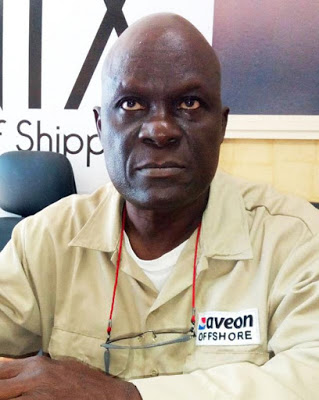








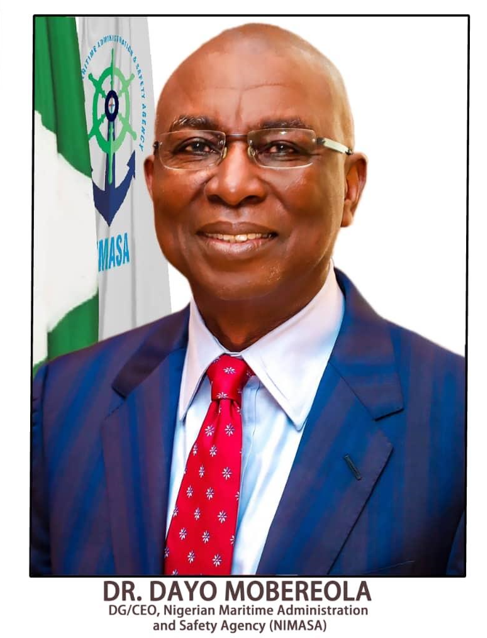
















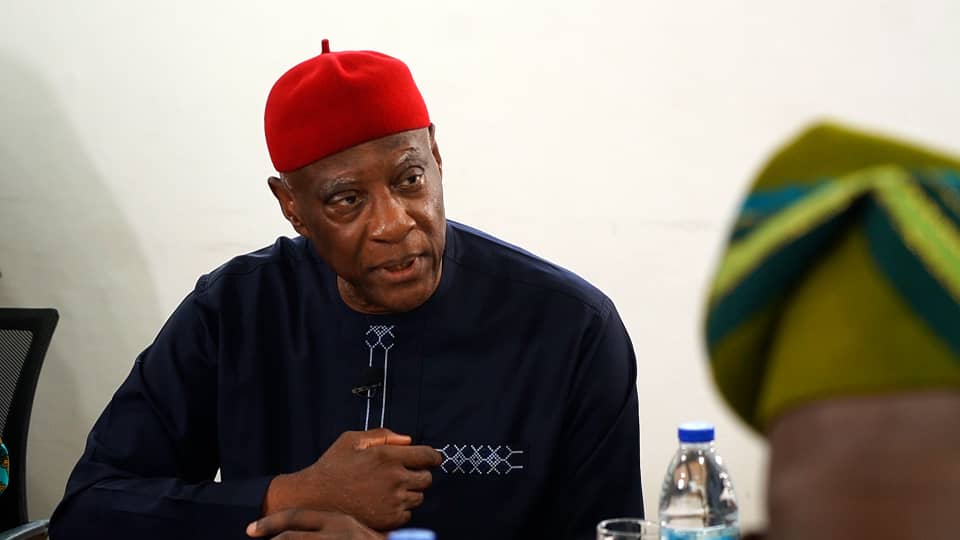
Master mariner and Chairman of Integrated Oil and Gas Company, Nigeria, Captain Emmanuel Iheanacho, has urged Nigeria to utilise renewable energy potentials as well as promote the sustainable use of the ocean, in order to create a more resilient and prosperous future for Nigeria.

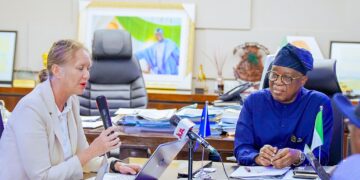
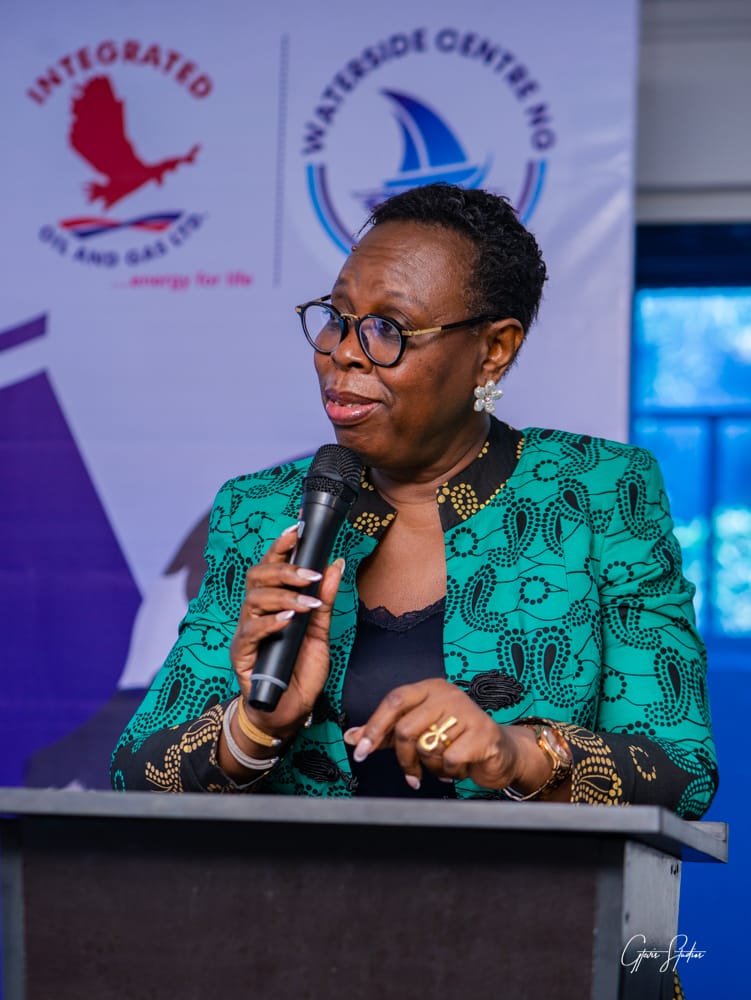
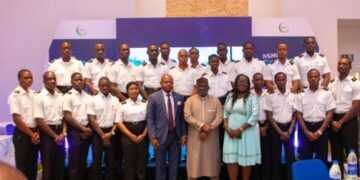
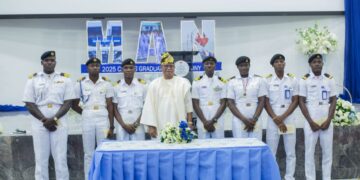
Iheanacho, who is also the Chairman of the Waterside Centre, Nigeria, made the call in his paper titled ‘Nigerian Energy Transition: A Pathway to Economic Diversification and Sustainable Ocean Use,’ at the 2025 World Maritime Day, marked in Lagos, with the Minister of Marine and Blue Economy, Adegboyega Oyetola, as the chief host.
Speaking, Captain Iheanacho told the audience that “Nigeria’s energy transition presents a unique opportunity to drive economic diversification, promote sustainable development, and protect the country’s rich ocean resources.”
He pointed the audience to the significant progress that Seychelles has achieved in the development of its blue economy, based on a transition to renewable energy, with focus on sustainable fishing and tourism.
He also made reference to Denmark’s achievement of over 40% of its electricity production from wind energy.
In Nigeria’s case, Iheanacho said that the National Renewable Energy Action Plan(NREAP) currently articulated, aims to increase economic competitiveness and sustainable development in power utilization, minimizing negative environmental impacts and guaranteeing energy security and access.
His words: “NREAP currently targets 30% of Nigeria’s energy mix to come from renewable sources by the year 2030. Specific energy generation and utility milestones are set for solar, wind, biomass and hydroelectric power. It is an element of the plan to add 5000MW of renewable to the national grid by 2030.
“This proposal for energy transition is critical for Nigeria’s economic development and environmental sustainability.”
He also spoke on the fact that co-opting policies for substituting renewables for fossil fuel energy in its industrial applications, Nigeria could mitigate the cost of its developmental and everyday risks through diversification.
Iheanacho added that “More jobs would be created naturally, arising from the ability to initiate the energy transition process, the sector can be the source of new and specific job opportunities in the manufacturing, installation, and maintenance of renewable power infrastructure and equipment.”
Speaking on the sustainable ocean use, the master mariner noted that Nigeria’s ocean resources are critical to its economy, but the impact of unsustainable practices such as unregulated over-fishing and the dumping of harmful effluent at sea could harm the environment and threaten livelihoods.
He expressed confidence that adopting an energy transition process could promote ocean use sustainability by reducing pollution arising from fossil fuel exploration, thereby protecting marine ecosystem such as the coral reefs.
Other critical gains would include supporting the development of a blue economy in Nigeria, through a sustainable use of ocean resources, Iheanacho said.
He also drew attention to further benefits from this action as renewable energy can “help reduce the impact of climate change on coastal ecosystems, including mangroves and coral reefs.
Iheanacho noted that Nigeria’s huge opportunities for renewable energy application include solar resources, wind resources in the coastal regions, hydro resources from the nation’s several rivers and waterways.
To achieve this action for the nation’s benefit, appropriate policy and regulation must be developed to support renewable energy and sustainable ocean use.
He also highlighted the importance and need for significant investment, and to attract financing from domestic and international sources. This would be closely followed with capacity building through training and education programmes for human resources that would match the needs.